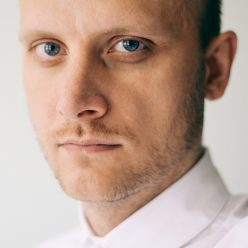
This section presents the academic activities of Denis Karagodin, an independent researcher working in political history, social philosophy, and archival studies. It includes lectures, conference presentations, research in progress, and other scholarly engagements.
These activities reflect the ongoing development of his research program, including the advancement of methodological frameworks and their application in investigative and analytical projects.
Information is updated progressively as new activities and materials become available.
Activity Overview
The following sections present selected academic activities and engagements.
Current Research
Working papers and preliminary research materials are added progressively as they are developed.
In Preparation
- STEPINQUEST® in Practice: The KARAGODIN® Investigation as a Case Study of Investigative Methodology (in preparation)
- The KARAGODIN® Investigation as a Model of Investigative Knowledge Production (in preparation)
Lectures and Teaching
Moscow School of Cinema, Universal University
On May 14, 2024, Denis Karagodin served as an invited lecturer at the Moscow School of Cinema (Universal University, Moscow), where he conducted a master class within the «Digital Memory» module of the «New Doc» program.
The lecture addressed issues of archival investigation, digital memory, and the methodological principles of the KARAGODIN® Investigation (Расследование КАРАГОДИНА®) project.
The School’s Academic Quality Department noted Denis Karagodin’s contribution to the program and his unique research expertise.
Expert Participation
National Research Tomsk State University
GAIDPARK Discussion School — «Memory and the City«
In November 2018, Denis Karagodin participated as an invited expert in the regional discussion school GAIDPARK-Tomsk, organized by the Gaidar Foundation in partnership with National Research Tomsk State University, and held at the Faculty of Economics.
The expert panels included, among others, Boris Grozovsky, Viktor Muchnik, Viktoriya Muchnik, Daria Dimke, and Mikhail Komin.
The three-day academic forum brought together 100 selected students from Tomsk universities, chosen through a competitive essay process, to discuss questions of historical memory, urban identity, and the relationship between the past and the development of contemporary cities.
During the program, Denis Karagodin delivered a lecture titled «Memory of Form: Historical Events on the Map of the City«, presenting the methodological framework of his research and the KARAGODIN® Investigation (Расследование КАРАГОДИНА®) project in the context of urban historical memory.
He also participated in the program’s debate sessions as an expert discussant and member of the jury evaluating student debate teams, contributing to discussions on the relationship between personal and historical memory in the life of individuals and cities.
The event was part of the GAIDPARK regional discussion schools, an educational initiative of the Gaidar Foundation designed to promote academic debate and interdisciplinary dialogue on contemporary social and historical issues.
Conference Participation
Stellenbosch University, South Africa
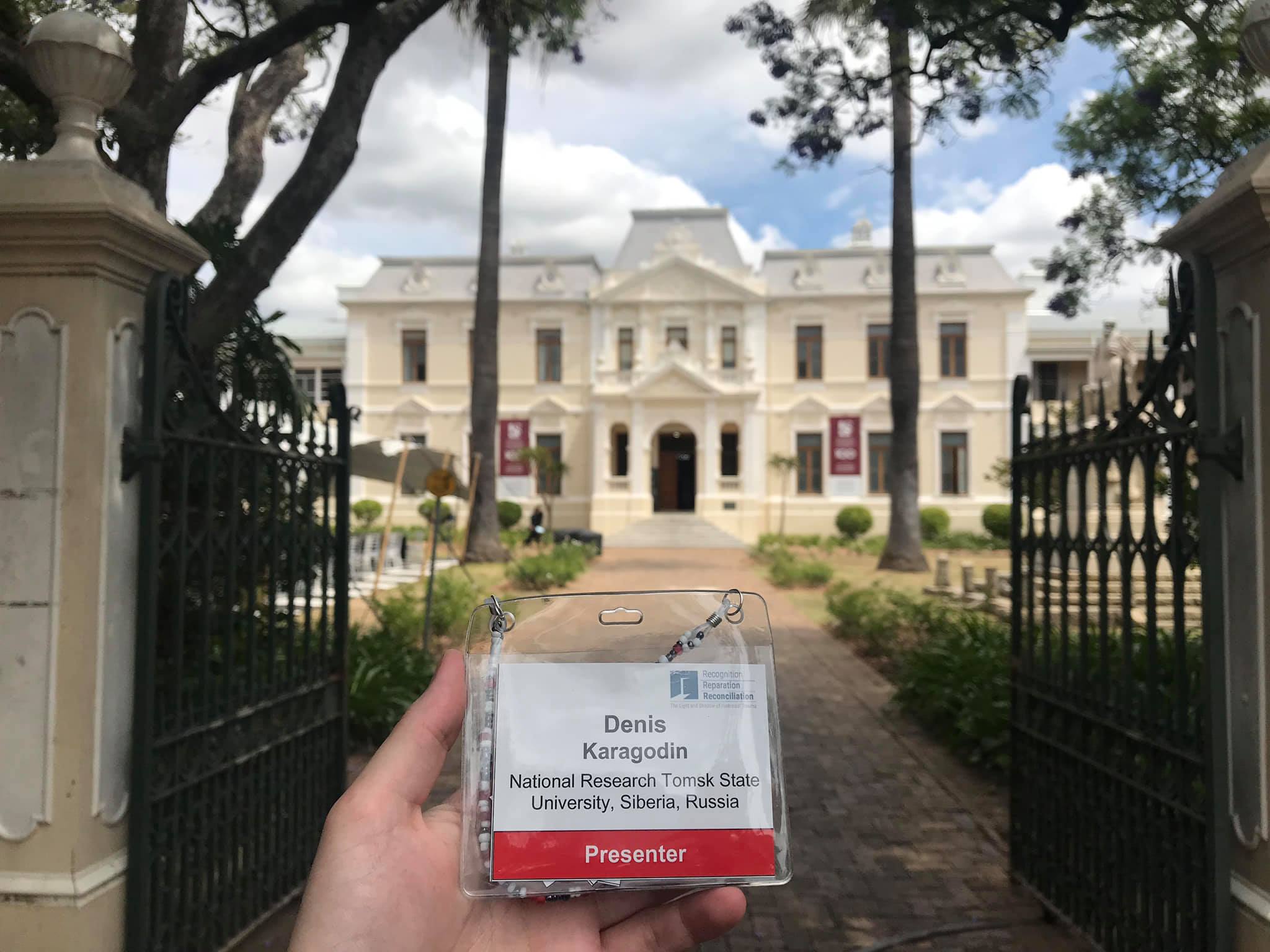
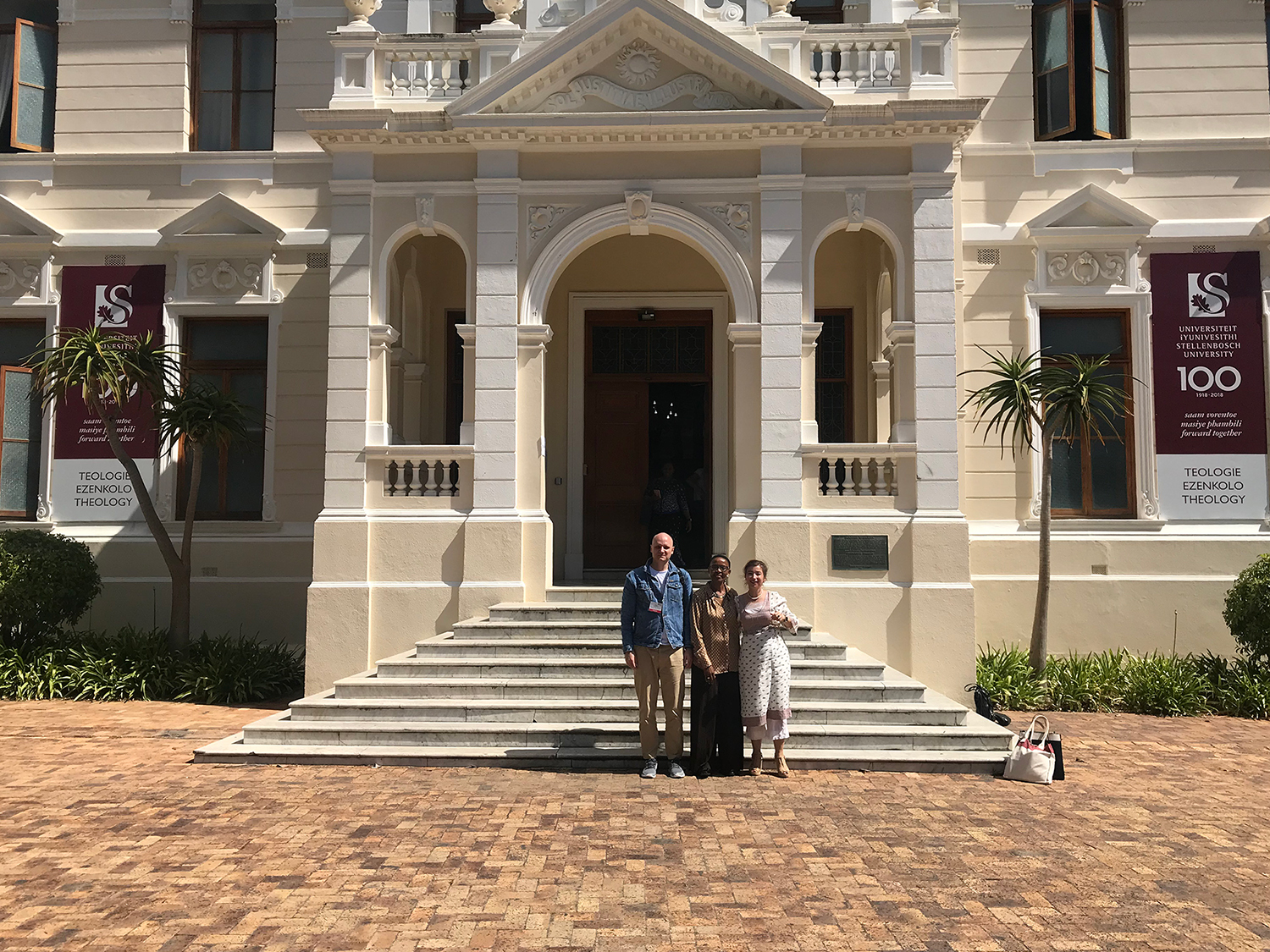
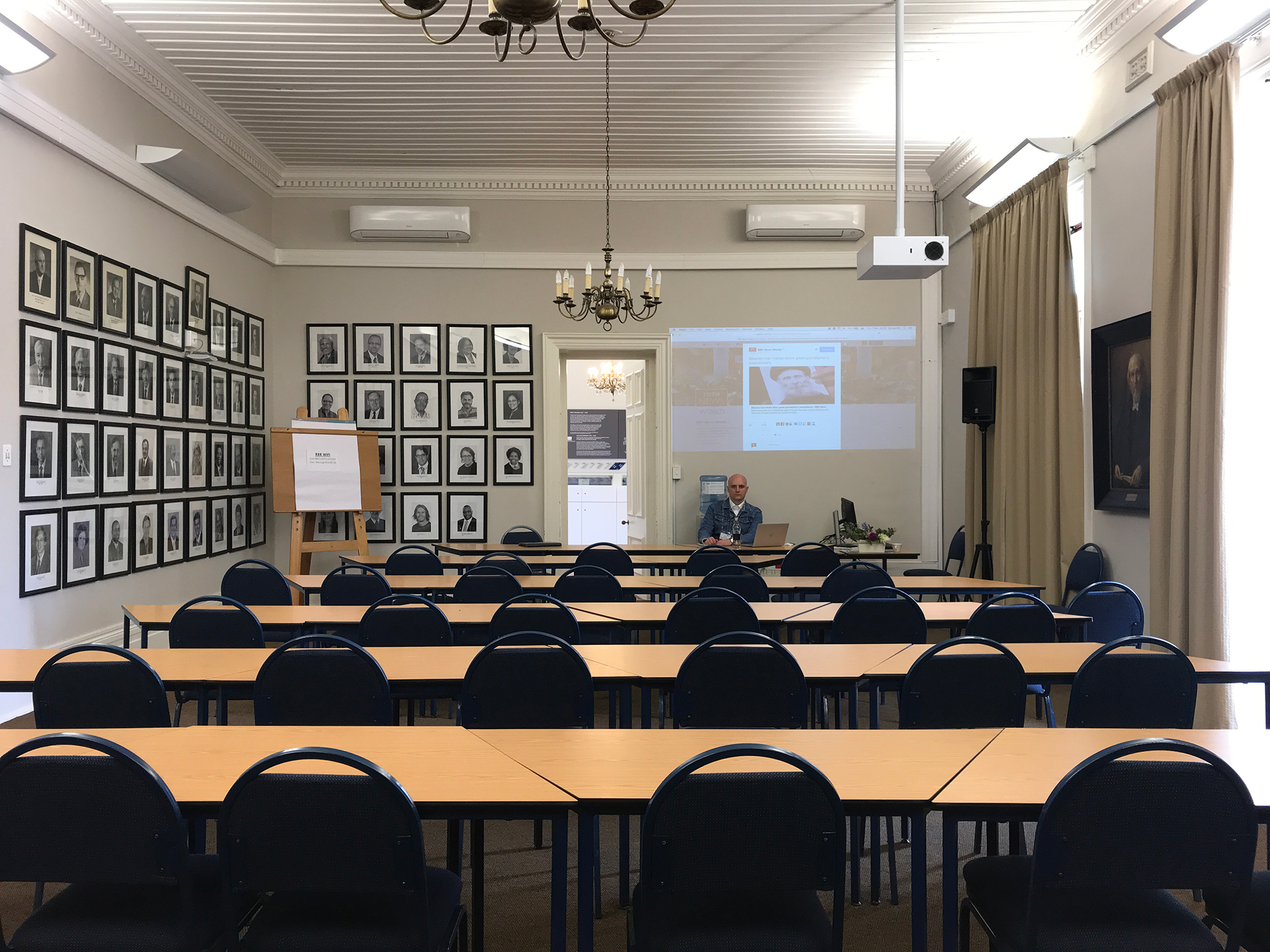
In December 2018, Denis Karagodin was invited to participate in the international conference “Recognition, Reparation, Reconciliation (RRR): The Light and Shadow of Historical Trauma”, held at Stellenbosch University, South Africa.
The conference was organized by the Historical Trauma and Transformation Research Initiative at Stellenbosch University, directed by Professor Pumla Gobodo-Madikizela, in collaboration with the Australian Human Rights Centre (University of New South Wales).
During the conference, Denis Karagodin presented the KARAGODIN® Investigation (Расследование КАРАГОДИНА®) project and discussed his search for the executioner of his great-grandfather during the Stalinist terror. His presentation addressed questions of historical trauma, memory, and reconciliation in the context of post-totalitarian societies.
The presentation was included in the official conference program and documented in the conference materials.
The conference focused on questions of transitional justice, historical trauma, and processes of recognition, reparation, and reconciliation in post-conflict societies.