KARAGODIN as Code

On Implementing a System Through GitHub

What if an investigation could be structured and deployed like code? I argue that the KARAGODIN® Investigation and STEPINQUEST® function as executable systems — operating within institutional, archival, and symbolic environments — and that publishing them on GitHub is not a metaphor, but a precise act of implementation.

Continue reading KARAGODIN as Code

Node Above the Archive (Project Statement)

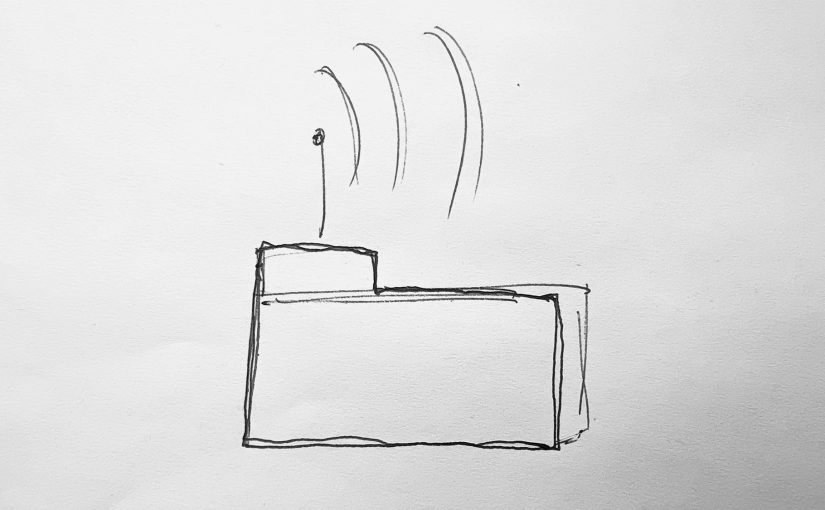
An Infrastructural Counter-Monument

Node Above the Archive is a site-specific infrastructural intervention in which a functioning public mesh node is positioned above the Tomsk FSB archive in Western Siberia, Russia, turning signal, address, and network presence into a memorial form that cannot be removed or erased.

Continue reading Node Above the Archive (Project Statement)

A Position Is Established

Denis Karagodin’s STEPINQUEST® and the emergence of infrastructural investigation in closed systems

A mesh communication node of the KARAGODIN® Investigation (KARAODIN.ORG KGNg) has been deployed in direct spatial alignment with the regional FSB building in Tomsk, establishing a continuous presence at the site of a closed state archive. The investigation has thereby introduced a new infrastructural and cultural intervention at that location. Nothing has been entered, nothing has been accessed, nothing has been opened — and yet the conditions have changed.

This text examines the logic of that intervention. It traces a shift from seeking access to establishing position, and outlines a method in which investigation proceeds not through permission, but through infrastructure, redefining how memory, authority, and action operate within closed systems.

Download (PDF)

Continue reading A Position Is Established

A Node Is Placed at a Site of State Power

The KARAGODIN® Investigation establishes a mesh node in Tomsk — giving form to presence — KARAGODIN.ORG (KGNg)


There are places designed to remain closed — structures that do not refuse access outright, but absorb it, delay it, return it unchanged.

In Tomsk, in the interior of Siberia, such a place holds the records of executions, preserved and withheld at once — long enough to appear settled, beyond disturbance. It is meant to remain that way.

And yet, something shifts — not inside the archive, but in how it can be approached. The attempt to gain access takes another form, and in doing so, alters the conditions that were meant to contain it. What follows begins where entry ceases to be possible.

Download (PDF)

Continue reading A Node Is Placed at a Site of State Power