

When infrastructure erases memory: in Tomsk, what bore direct witness to Soviet political repression is being removed using the very infrastructure that once sustained it.
In the center of Tomsk, a Siberian city with a long and layered history, a memorial to the victims of Soviet political repression has quietly disappeared. Officially, it was removed due to safety concerns. Its absence, however, raises a different question: what happens when the infrastructure once used to carry out repression becomes the justification for removing memory itself?
For decades, the site stood as a visible point of public memory. Today, it stands empty.
The Event
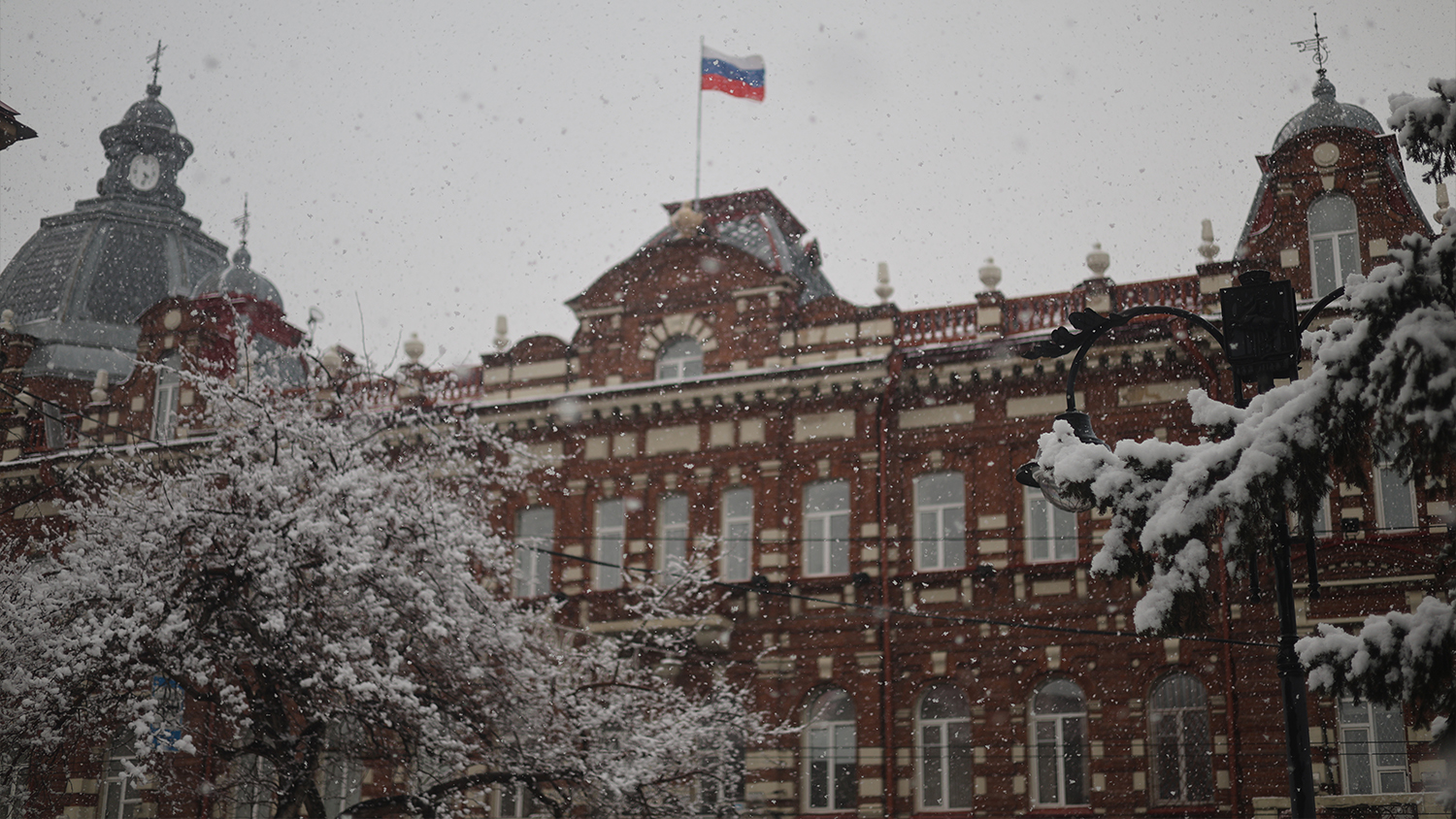
In the night of April 19, 2026, local authorities dismantled a memorial in a central public square in Tomsk, directly across from the city administration building. Dedicated to victims of political repression, the monument had been a stable part of the city’s civic and cultural landscape since the early 1990s.
Officials cited a structural risk linked to nearby garages on an adjacent slope, stating that removal was necessary to ensure public safety pending further technical assessment.
No timeline has been given for the memorial’s return.
The Site
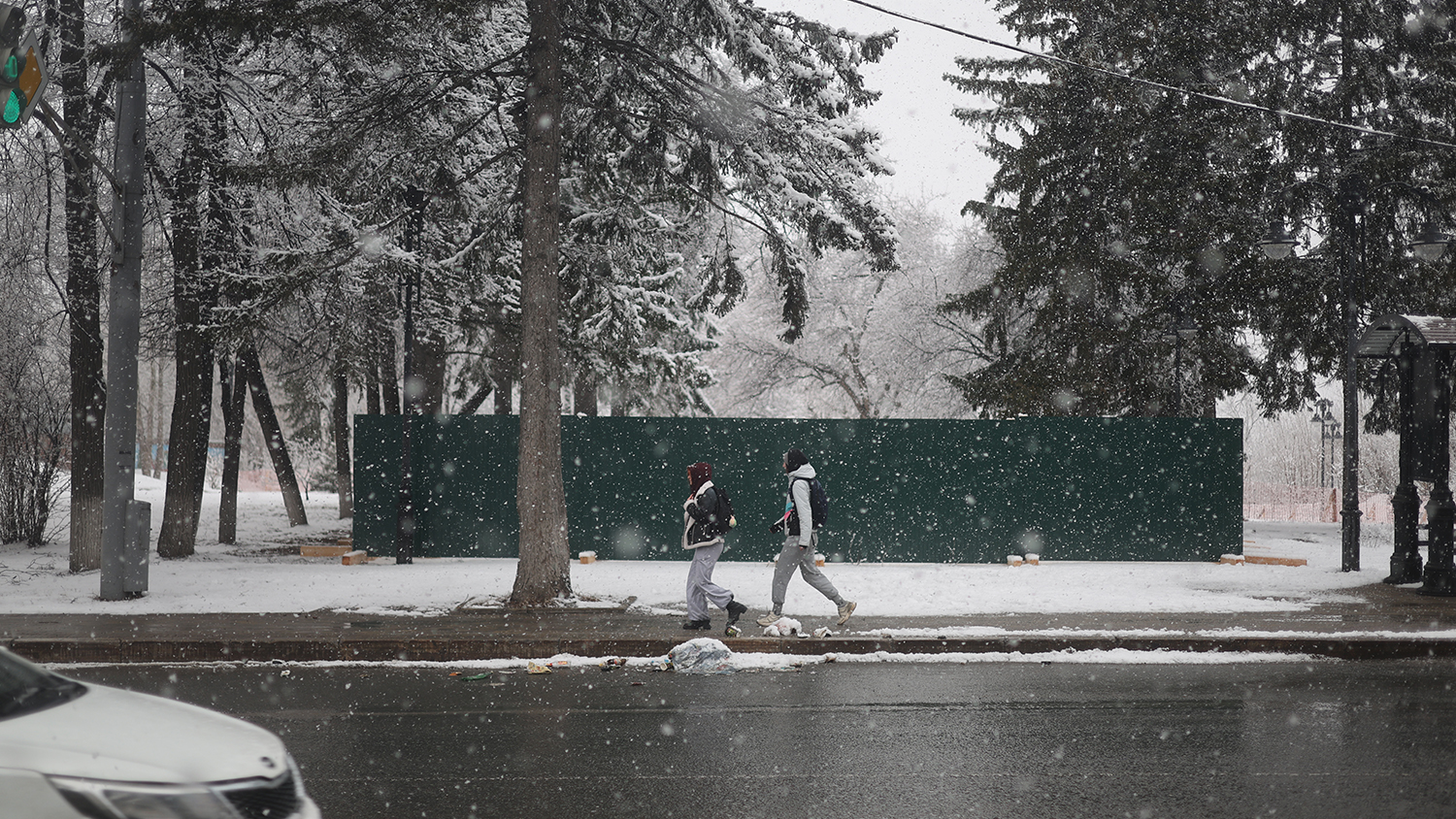
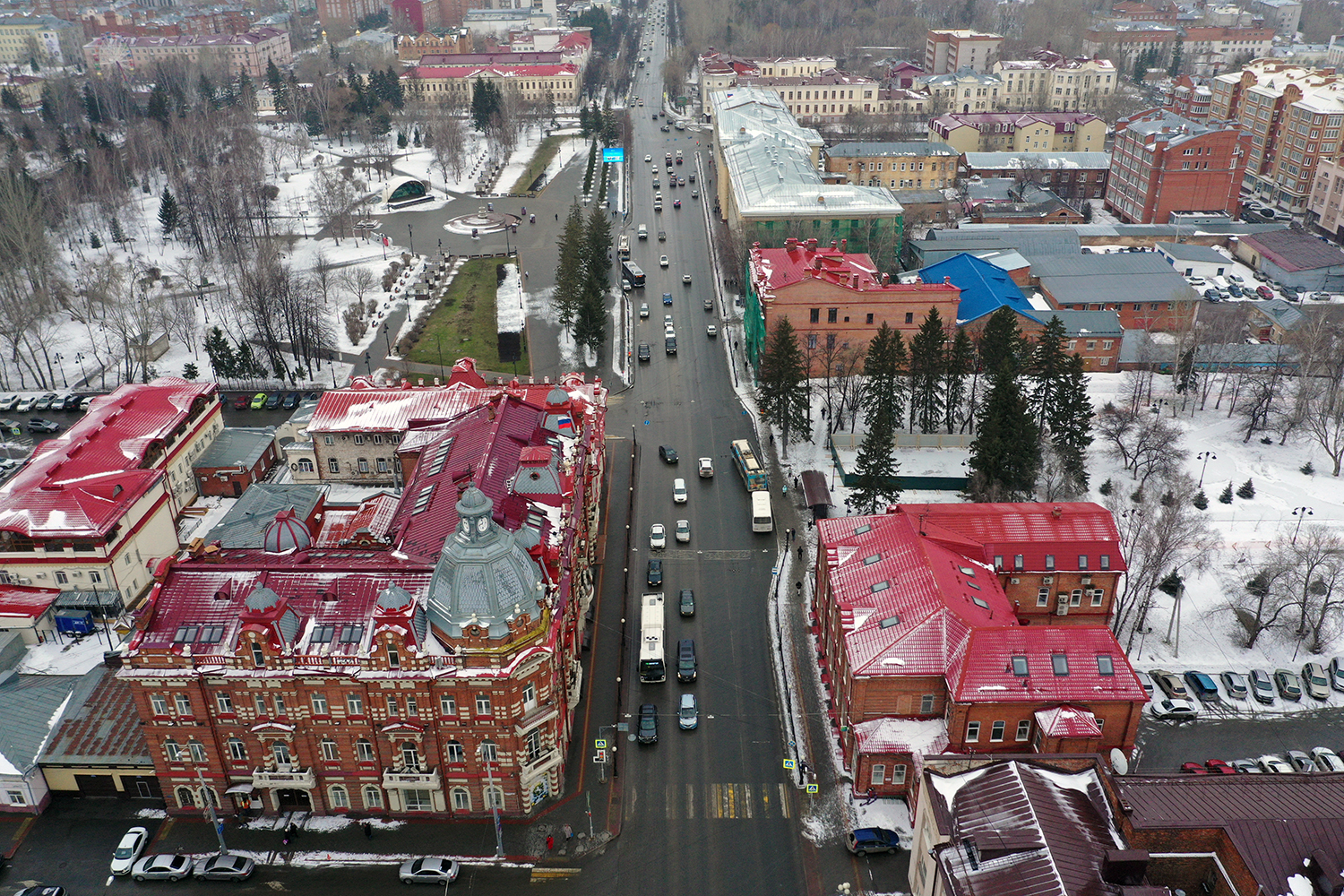
The memorial stood in one of the most symbolically charged locations in Tomsk: a central square directly facing the city administration. It was not a peripheral or neglected space, but a highly visible civic area embedded in everyday urban life.
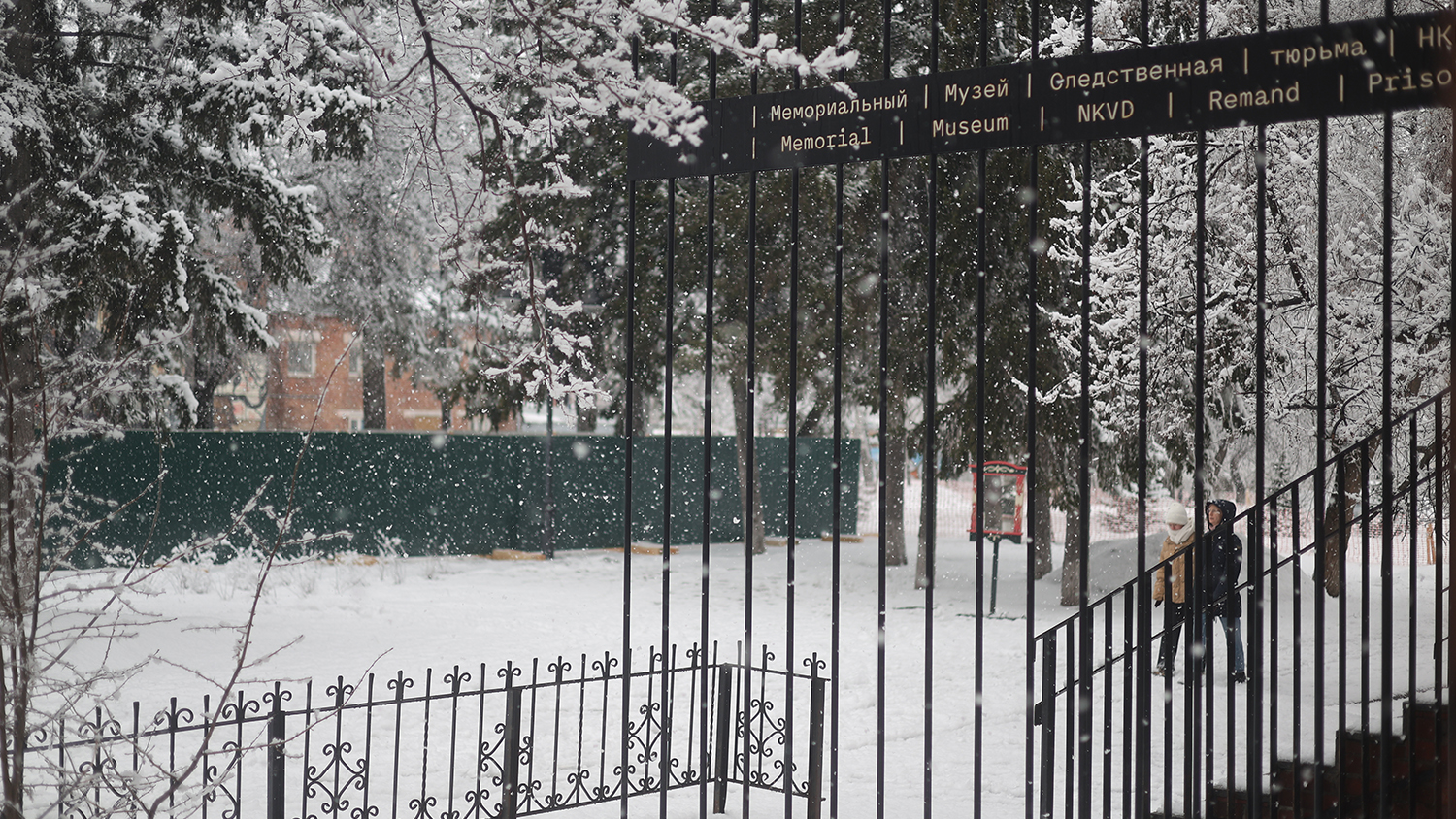
The site is framed by two former NKVD buildings, once part of the Soviet secret police responsible for mass repression in the 1930s and 1940s. One now houses a museum dedicated to the history of political repression; the other has been repurposed for civilian use, including education.
This configuration is not incidental. It brings into proximity three layers of history: the original institutions of repression, their later transformation into cultural and civic structures, and the memorial itself — an attempt to publicly acknowledge the victims.
Over time, the square became more than a physical location. It functioned as a point of convergence between history, memory, and daily urban life.
The Memorial
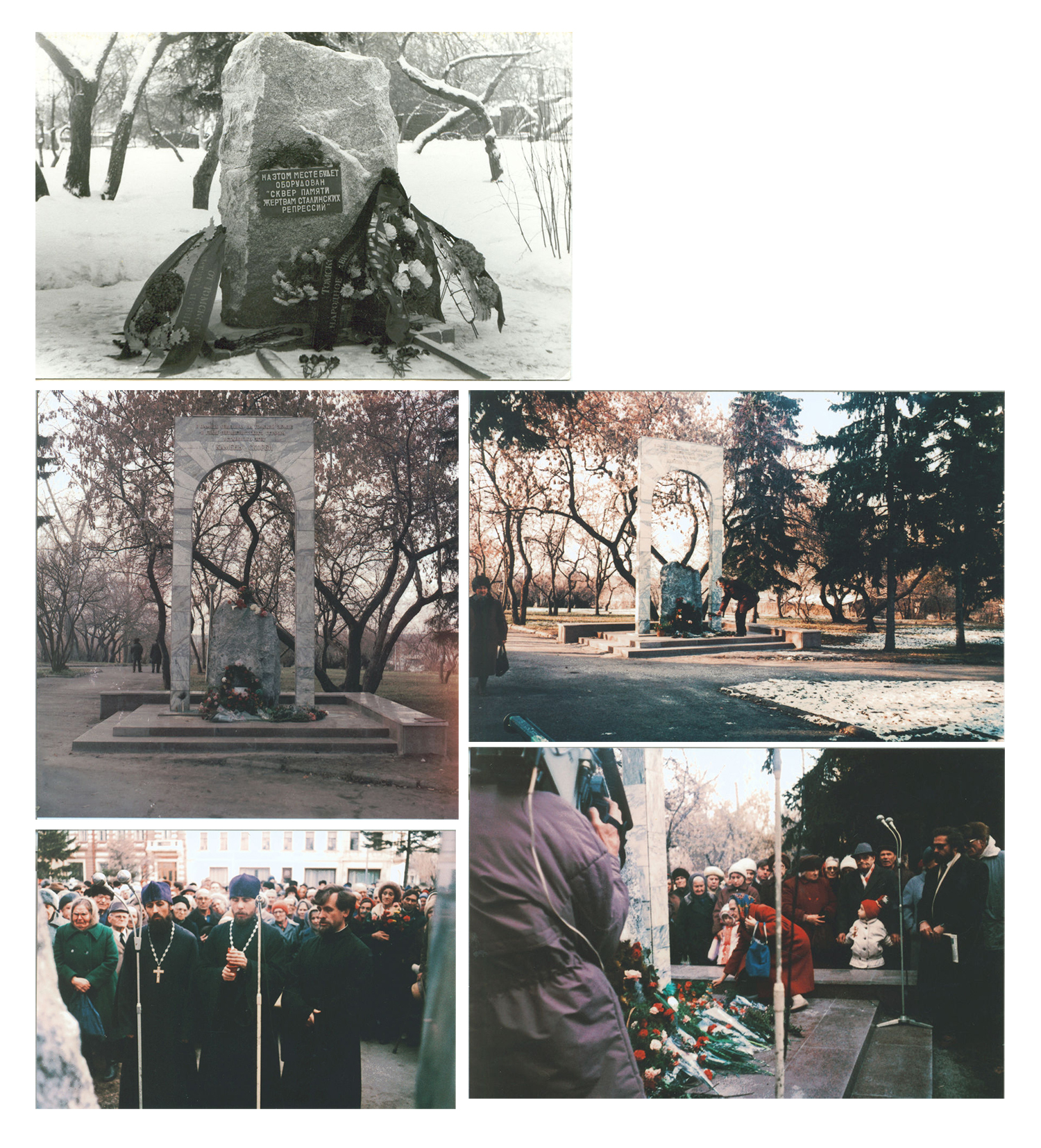
The memorial, known as “The Stone of Sorrow” (Камень скорби) [GPS: 56.47554971307485, 84.94915364899278], was installed in 1992, in the early post-Soviet period, on the initiative of the Tomsk branch of Memorial — a civil society organization dedicated to documenting political repression and preserving historical memory, which was later (April 9, 2026) designated as an extremist organization by Russian authorities.
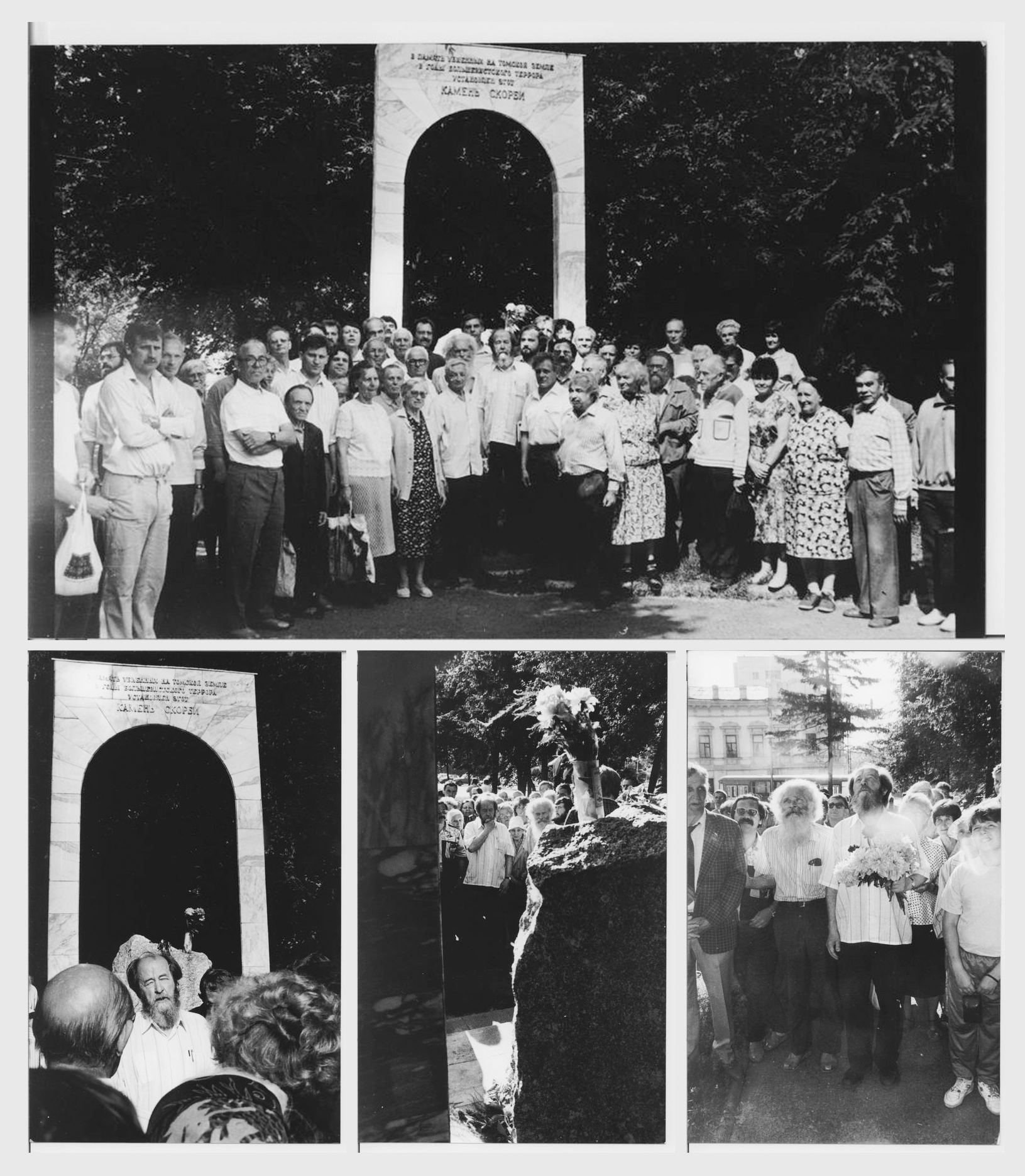
On June 26, 1994, during his journey across Russia, Alexander Solzhenitsyn visited the memorial during a stop in Tomsk, further establishing it as a site of national remembrance.
Its creation was supported in part by public contributions, giving it both institutional and civic legitimacy.
For more than three decades, the site served as a stable and recognized place of remembrance. It was not an isolated monument, but part of a broader memorial landscape.
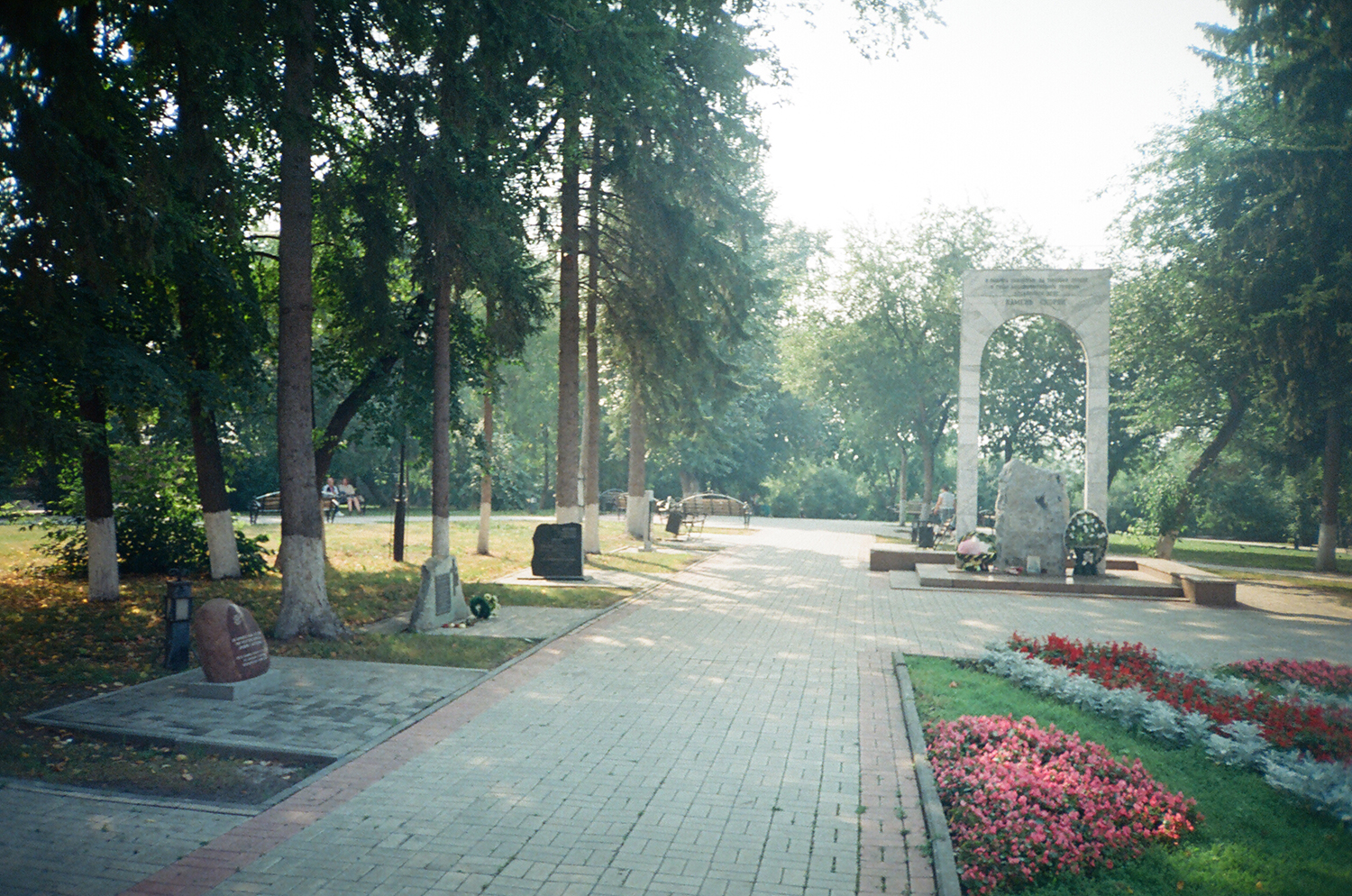
Alongside the central memorial, the site included commemorative stones dedicated to repressed Kalmyks (2002), Poles (2004), Estonians (2008), Latvians (2011), and Lithuanians (2016), as well as additional markers and plaques installed over time — some initiated by foreign governments during official visits to Tomsk — commemorating victims of repression across multiple national communities.
The area remained maintained and fully integrated into the city’s public space.
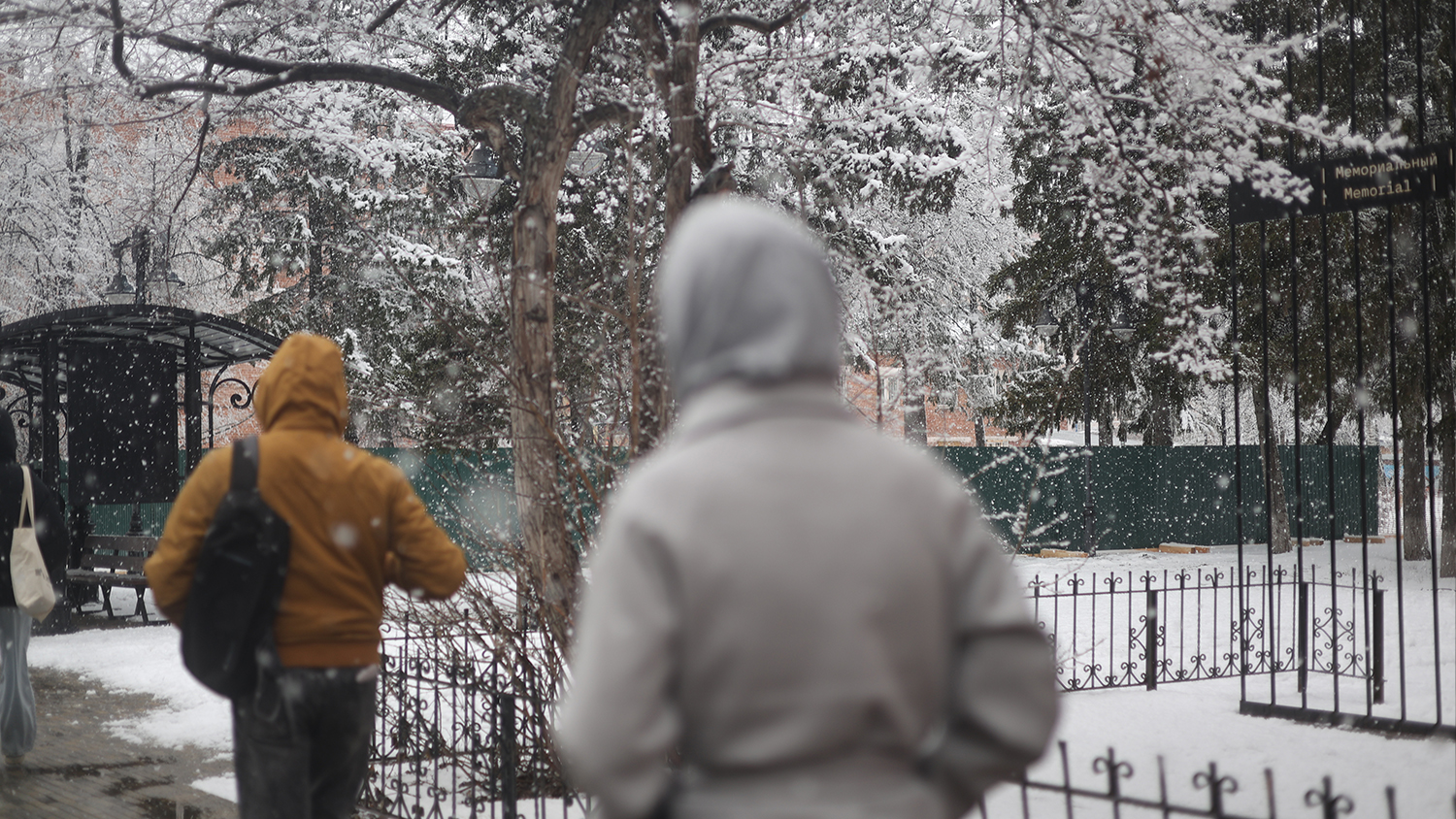
As recently as 2021, it was upgraded with benches and other elements of urban infrastructure, reinforcing its role as a place where memory and everyday life intersected.
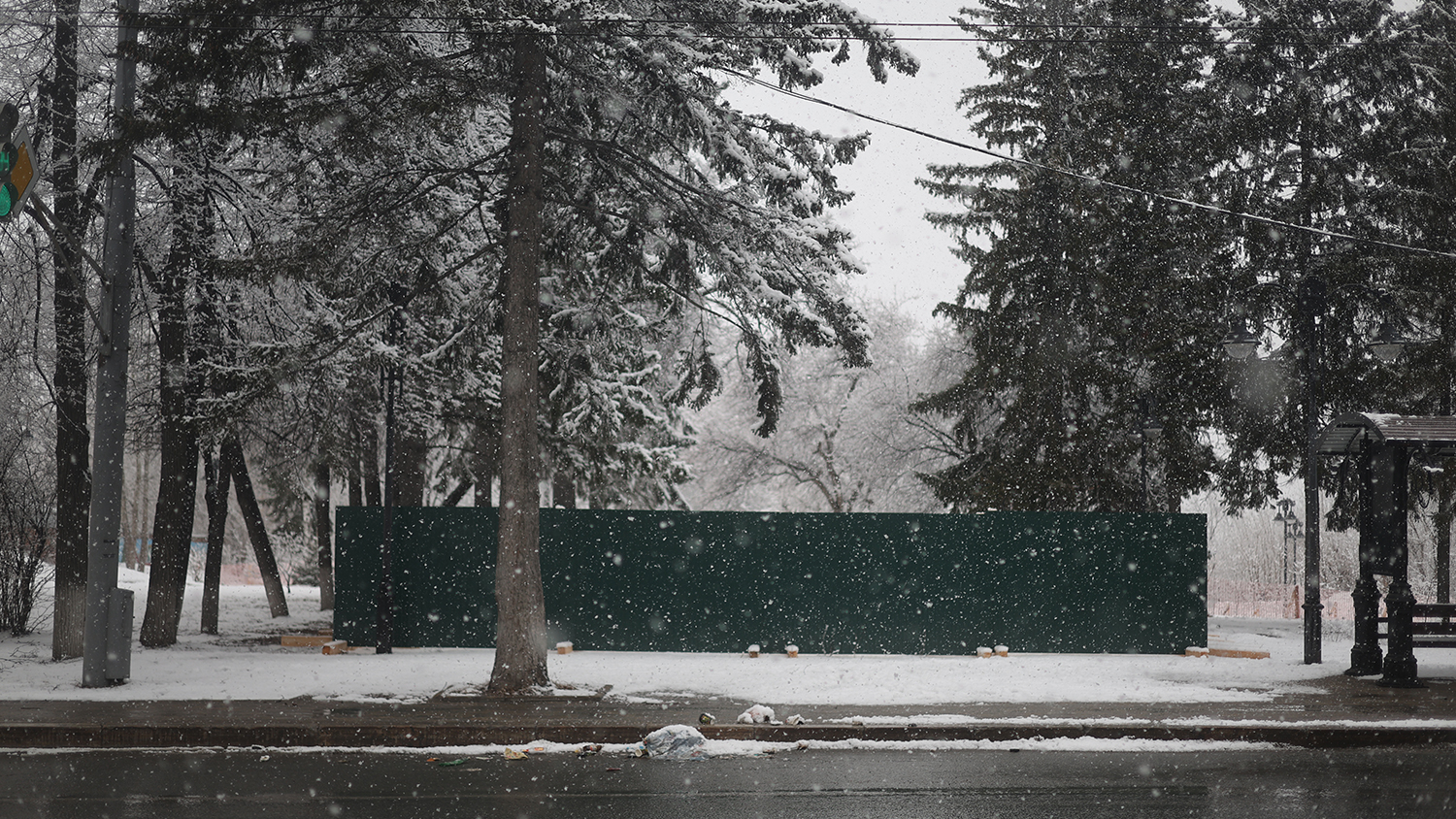
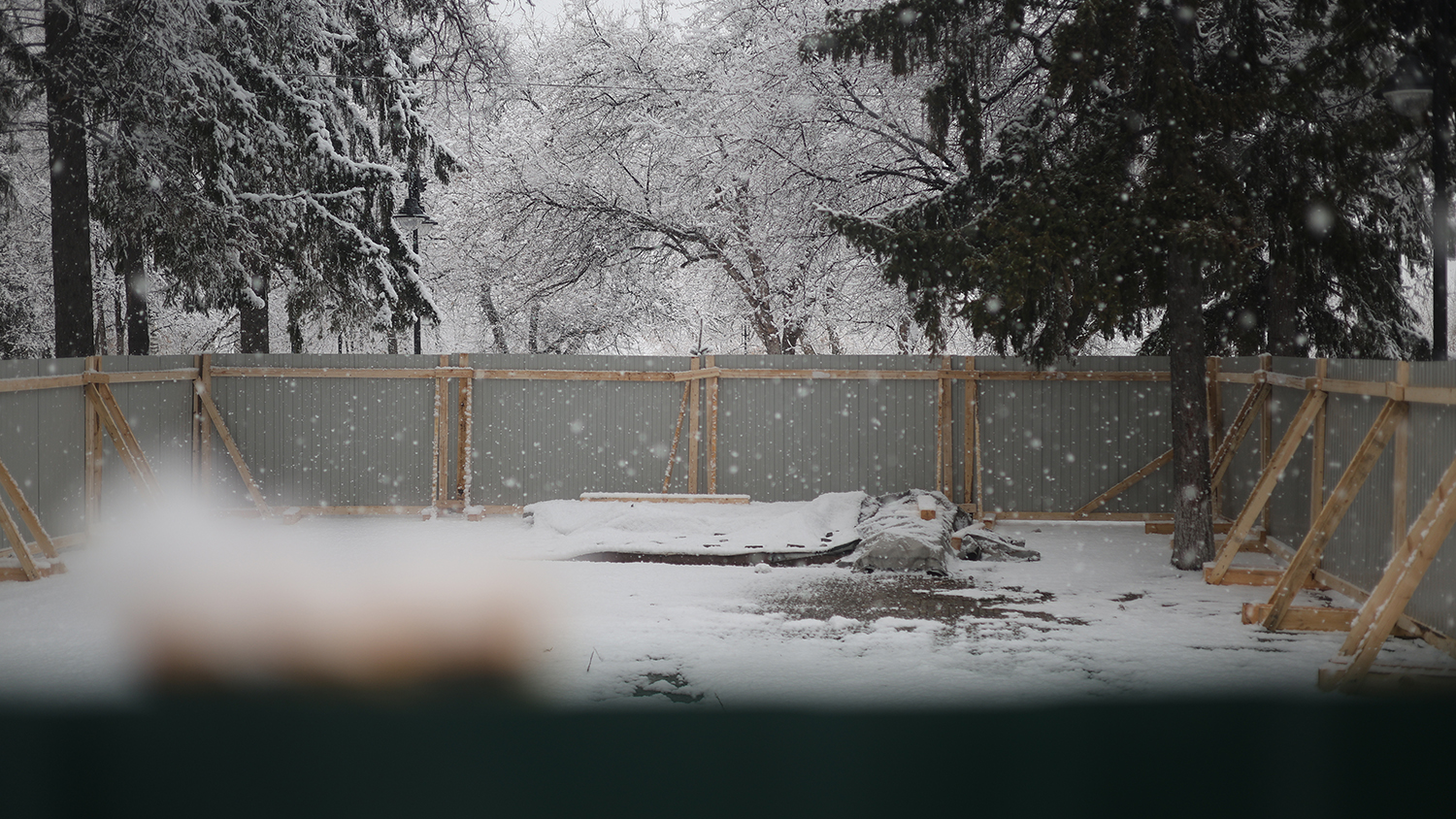
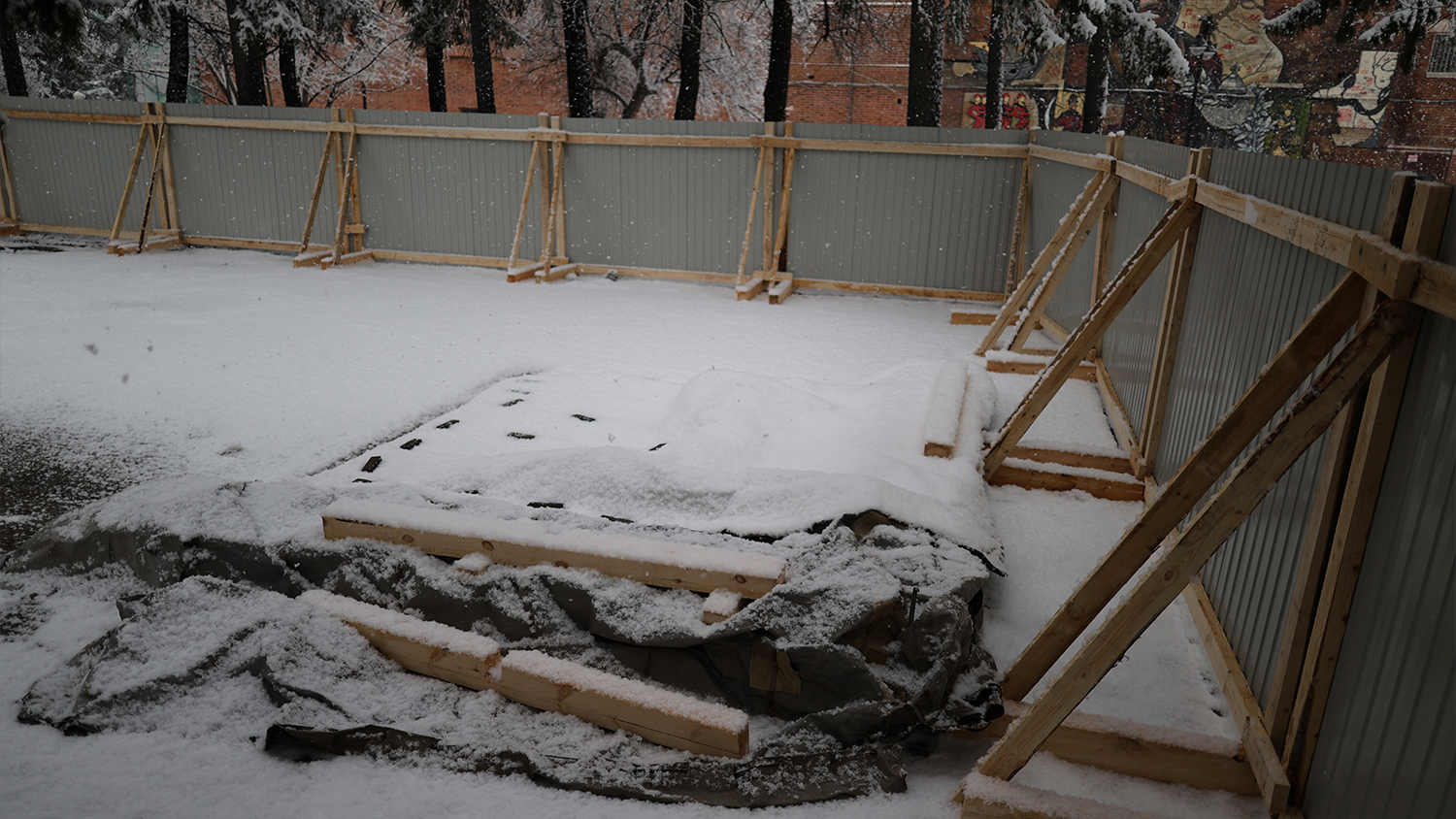

Until its removal, the memorial was not abandoned, contested, or marginal. It was an active and established part of the city’s cultural environment.
The Official Explanation
The official rationale for the removal was framed in technical and administrative terms. According to local authorities, the memorial had to be dismantled due to a potential risk of structural collapse associated with garages located on a slope adjacent to the site.
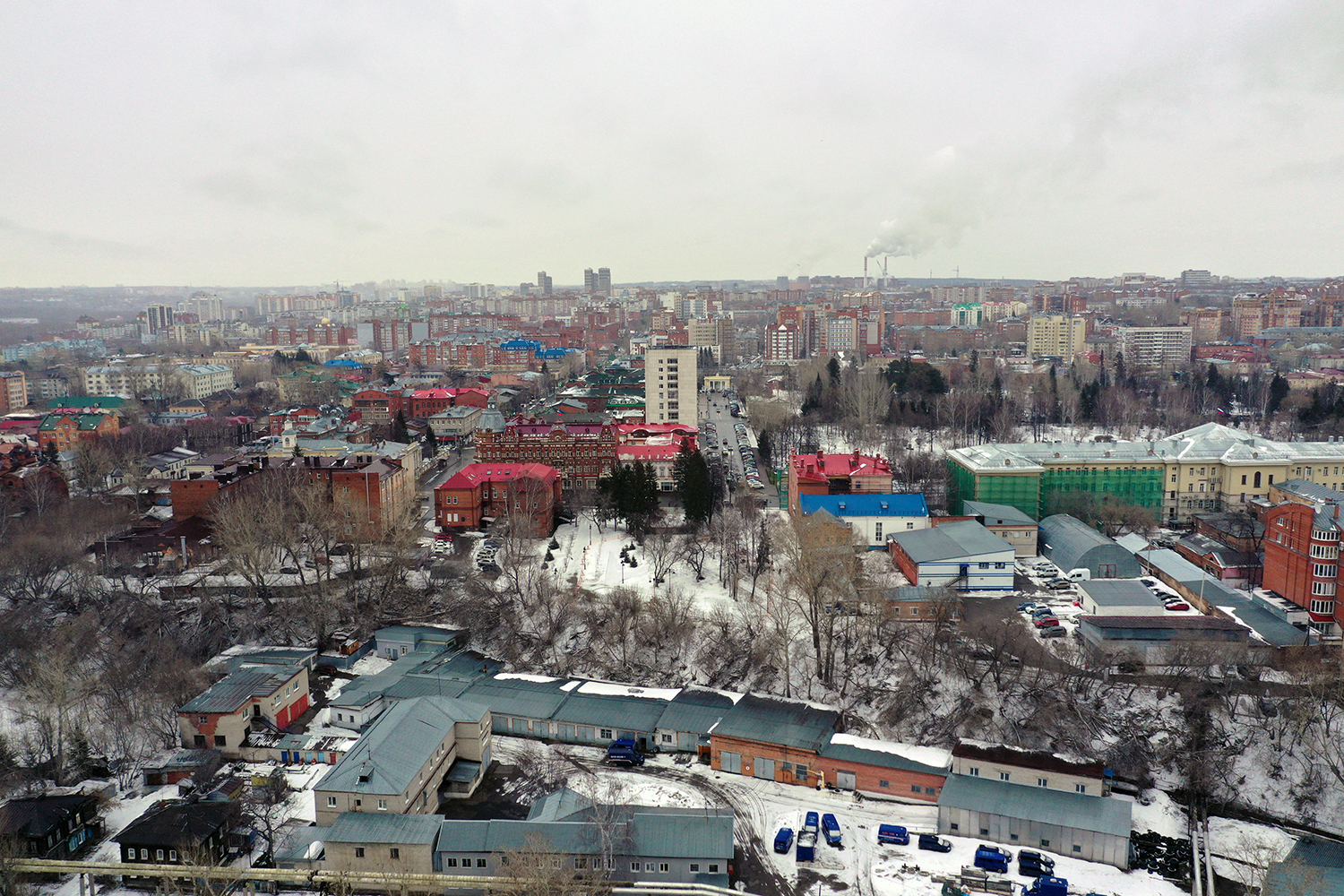
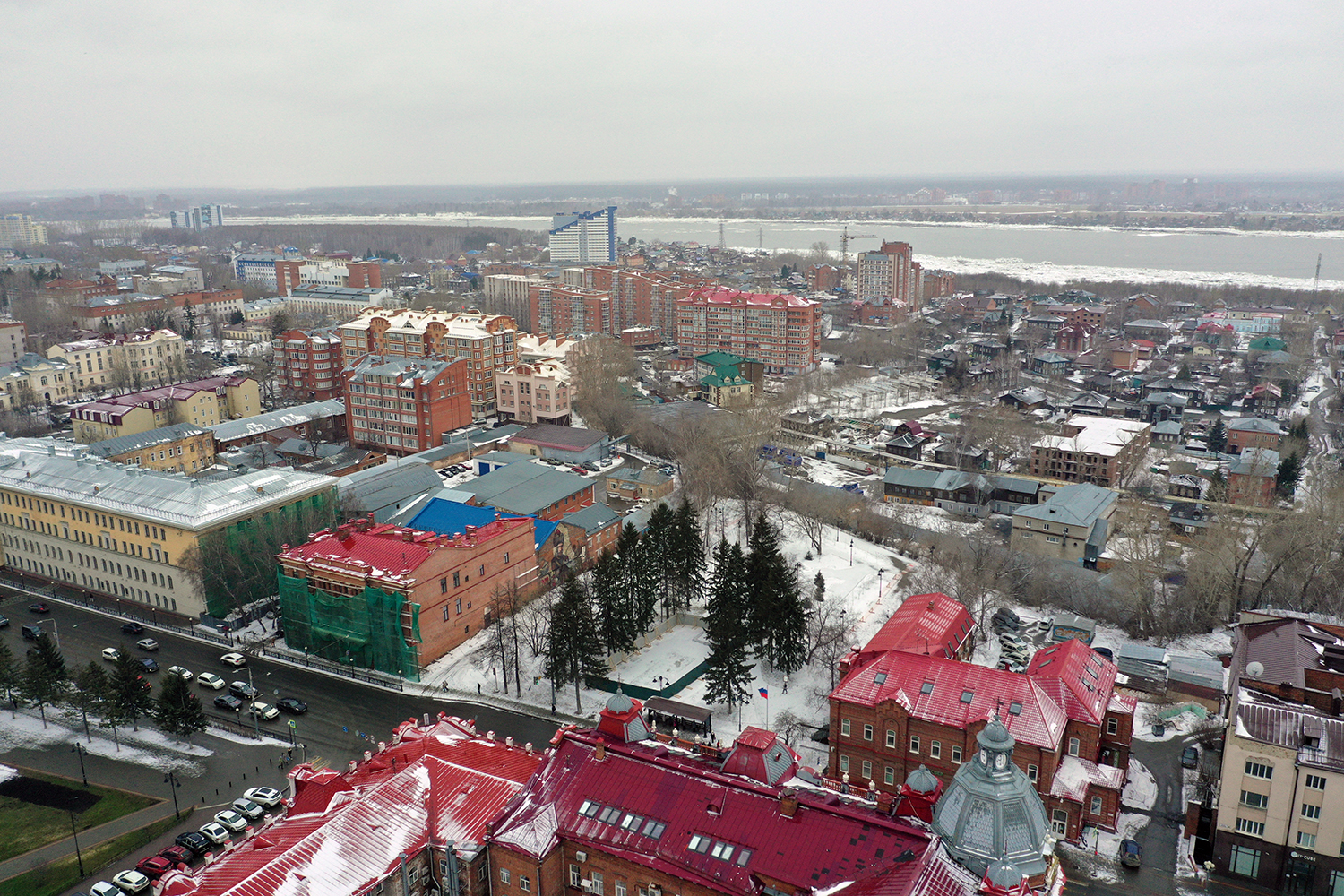
The explanation emphasized public safety and the need for further engineering assessment.
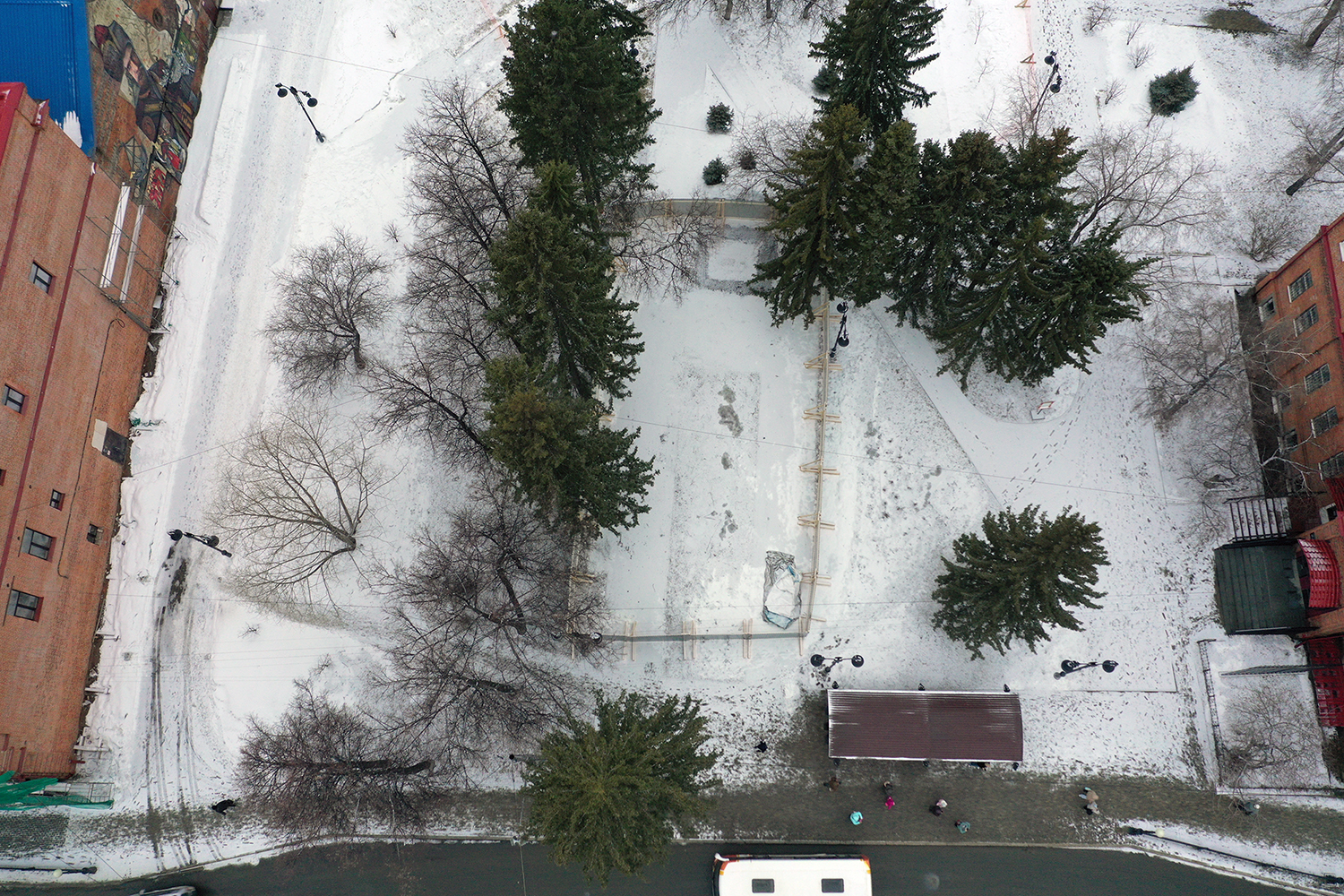
The removal was presented not as a political or cultural decision, but as a necessary precaution. Officials indicated that additional documentation and evaluation would be required before any future steps could be considered.
In this framing, the event appears procedural, temporary, and neutral.
The Contradiction
However, the physical conditions of the site suggest a more complex situation.
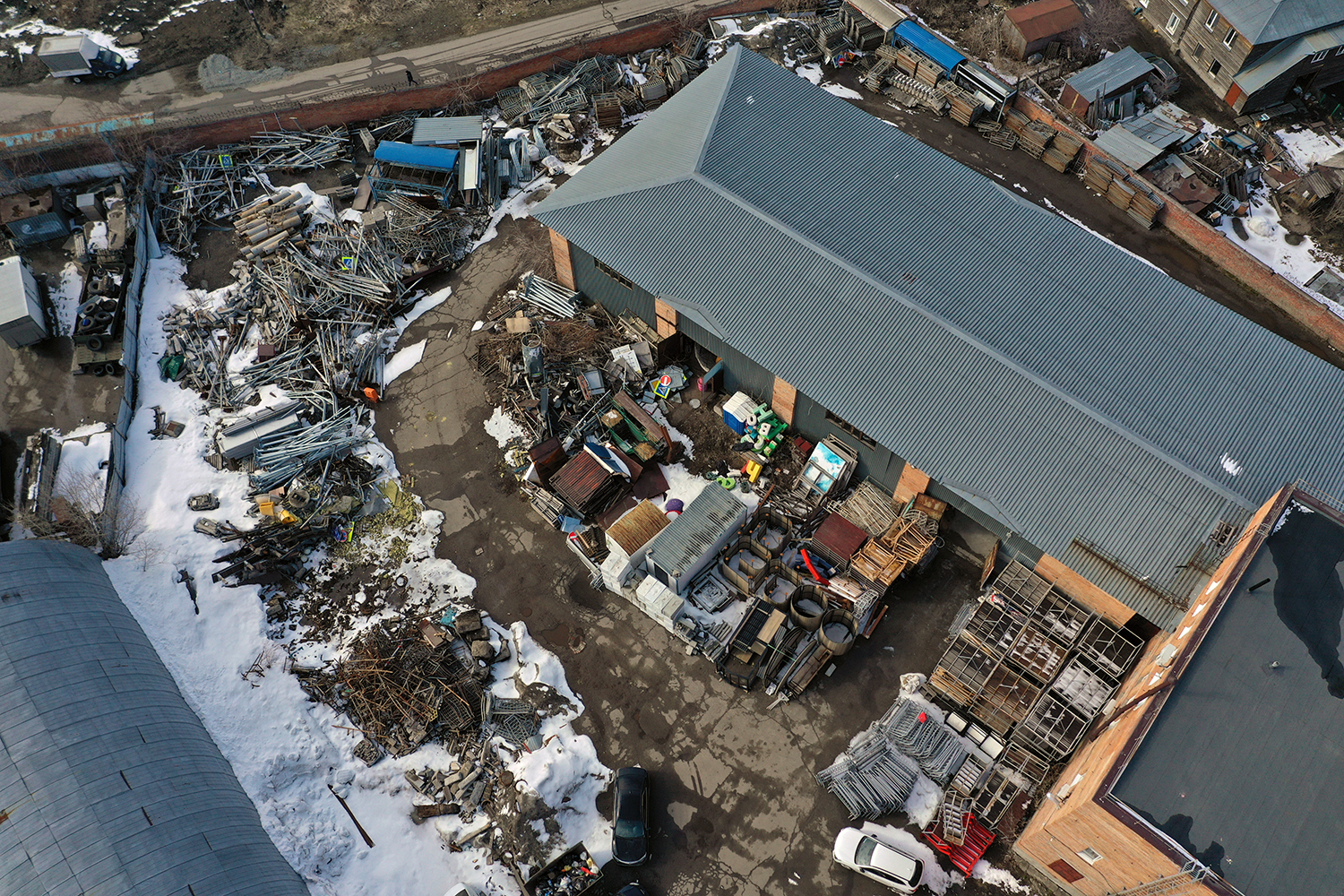
Even for local residents, it is not immediately clear which garages are being referred to. However, these garages do exist [GPS: 56.473860443231814, 84.94817935496245] — and they are the former base of the NKVD’s so-called “black vans” (chornye voronki) in Tomsk.
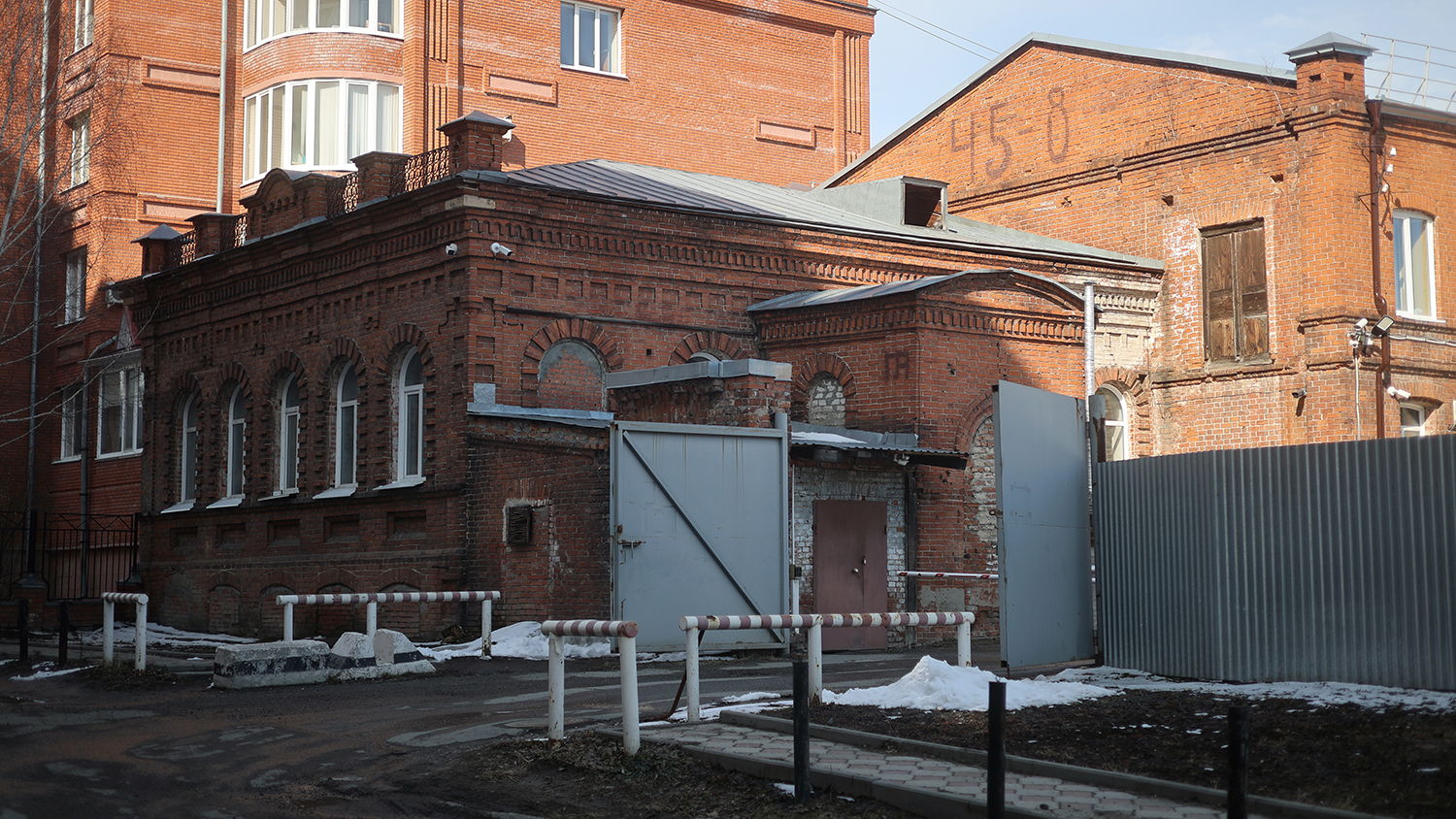
Today, this facility continues to operate within the system of the Russian Ministry of Internal Affairs under the official name: “Center for Economic and Service Support of the Ministry of Internal Affairs of the Russian Federation for the Tomsk Region.”
The area where the memorial stood has been fenced off, but the adjacent slope — cited as the source of risk — remains accessible.
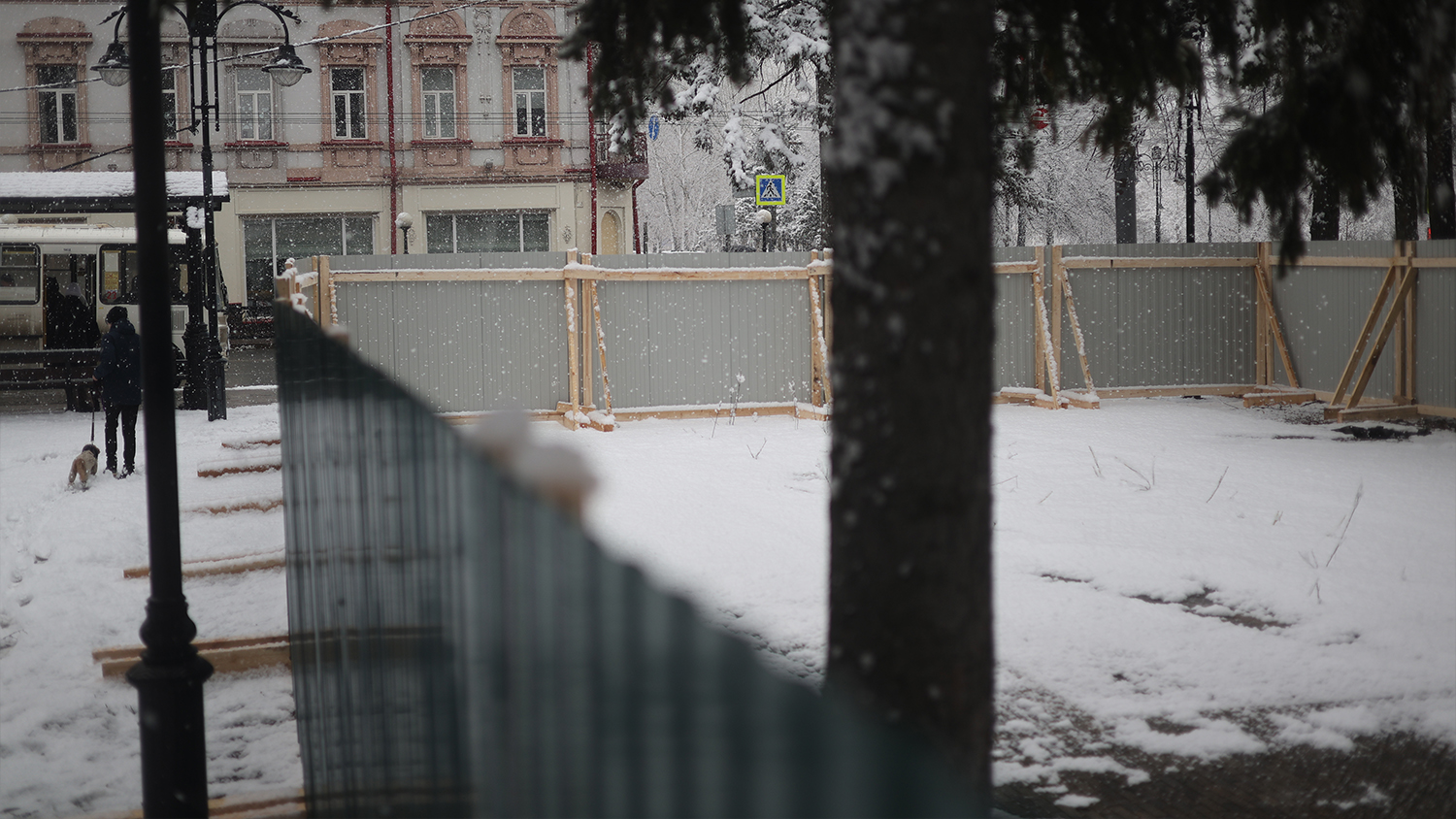
Pedestrian movement continues there without visible restriction. The zone identified as dangerous has not been fully secured, while the object identified as vulnerable has been entirely removed.
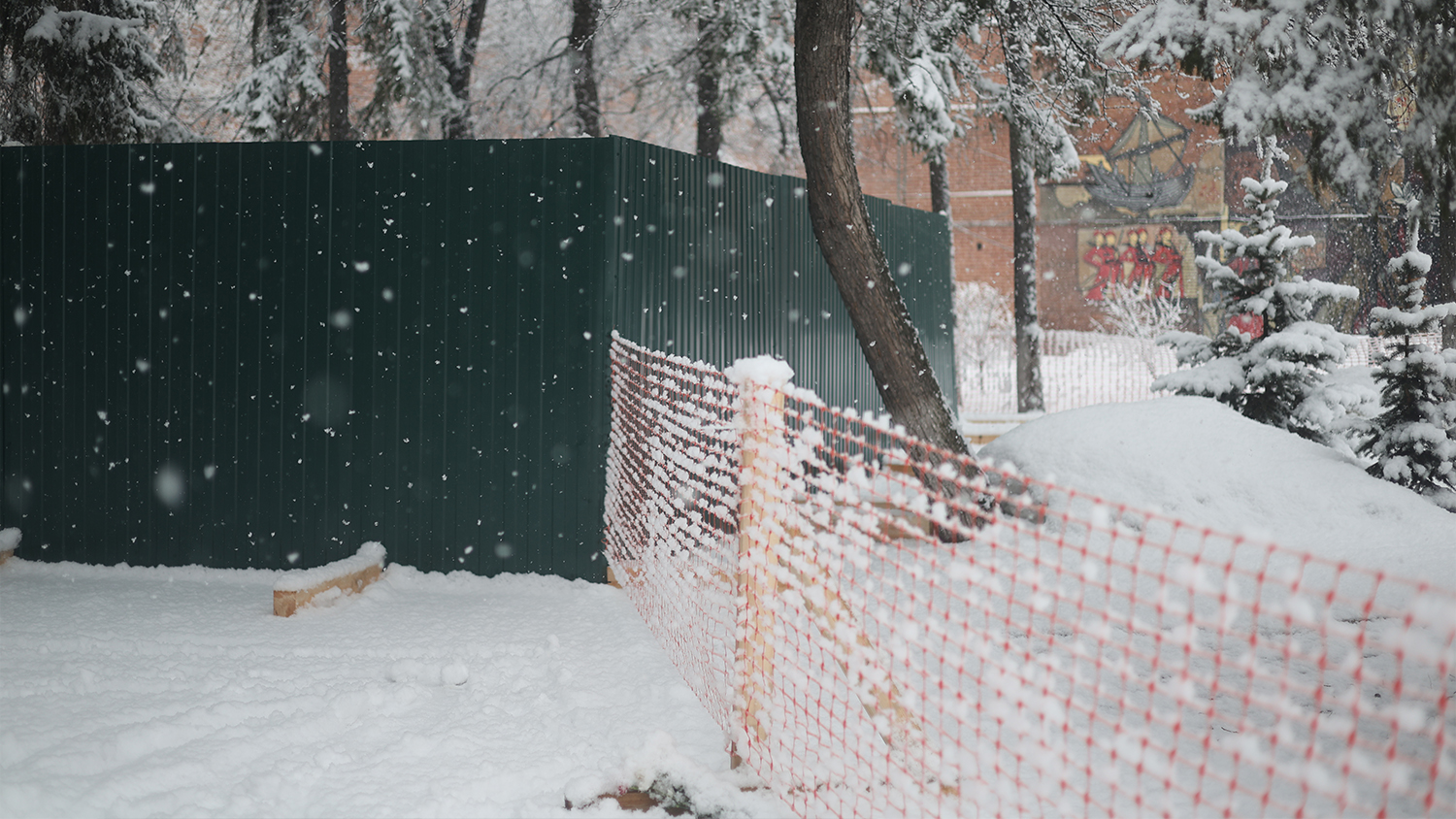
This asymmetry raises a question about the nature of the intervention.
The garages themselves are not incidental structures. Historically, they formed part of the NKVD’s operational infrastructure. During the Great Terror of 1937–1938, such facilities housed and deployed vehicles commonly referred to as “black vans” (chornye voronki) — used to transport arrested individuals.
These structures persist in the present in modified institutional form. Their function has changed, but their physical presence — and their position within the urban landscape — remain continuous.
In this light, the explanation shifts. What is presented as a safety measure begins to resemble a selective intervention: the removal of a memorial justified by reference to an infrastructure historically implicated in the very events it was meant to recall.
The removal of the memorial followed a comparable logic. It was carried out quietly, at night, using construction equipment and trucks — in a manner that strongly recalls the same technical and infrastructural means that once served the machinery of repression. According to eyewitness accounts, the operation was conducted under supervision, and attempts to document it were actively restricted, including reported intervention by individuals identifying themselves as officers of the Federal Security Service — an institution that, in historical and organizational terms, emerges from the same security structures that once operated it.
The action is complete; responsibility is dispersed.
In this sense, the vans have returned — not as vehicles alone, but as a structure of operation.
The Infrastructure of Repression
The garages referenced in the official explanation point to a deeper, largely unexamined layer of the site’s history: the logistical infrastructure of repression.
Mass repression was not only an ideological or administrative process — it was also a logistical one. Arrests, transport, detention, and execution required coordination, personnel, and physical infrastructure. Garages, vehicle depots, and driver networks formed an essential part of this system.
In Tomsk, as in many Soviet cities, vehicles commonly known as “black vans” (chornye voronki) were used to transport arrested individuals, often at night. These were not abstract symbols, but components of a functioning logistical chain, tied to specific locations, personnel, and routines.
The garages adjacent to the former NKVD buildings were part of this network. Their proximity to the administrative structures of repression was functional, not incidental.
Seen in this light, the site reads differently.
What appears today as a set of ordinary service buildings can also be understood as a surviving fragment of an operational system that once enabled the mechanics of repression.
The Investigative Record

Over the past years, the KARAGODIN® Investigation (Расследование КАРАГОДИНА®) has focused in part on reconstructing these infrastructural dimensions. Beyond archival documents and institutional records, it has examined the operational layers of repression — including vehicle fleets, garage networks, and individual personnel such as drivers and technical staff.
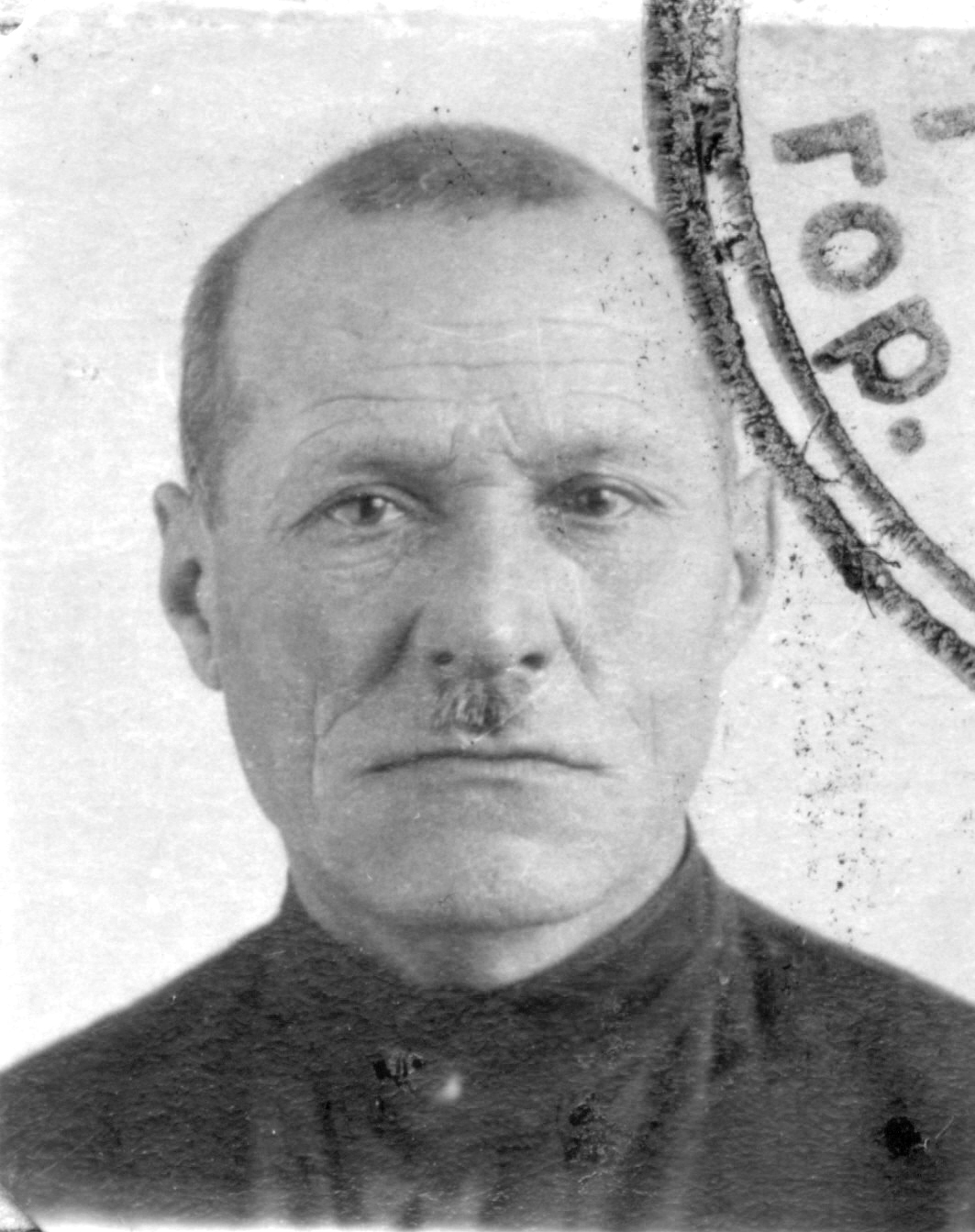
This work has made it possible to identify specific elements of the transport system in Tomsk, including garages and their associated administrative units. In some cases, individual actors within this system — those responsible for transporting detainees — have been documented and profiled.
Within this framework, the garages referenced in the official explanation are not neutral background structures. They are part of a historically traceable network with defined functions and roles.
This does not imply a direct continuation of the past. It does, however, point to a continuity of form: the persistence of physical infrastructure once tied to a specific operational purpose, now embedded within a different institutional context.
The Persistence of Form
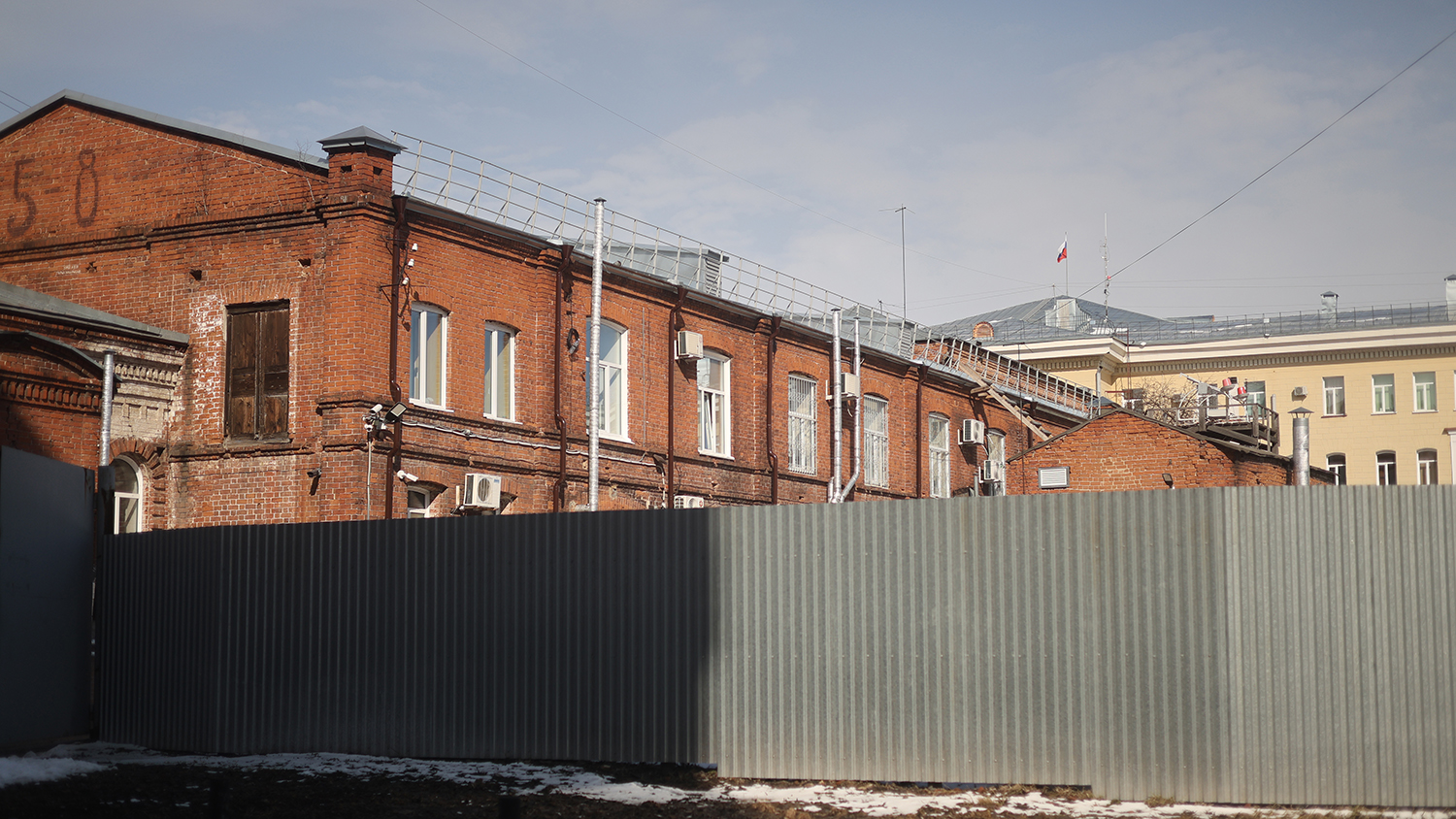
The garages remain in place. Their institutional affiliation has changed over time, as has their formal function, but their physical presence within the urban landscape persists. What was once part of the operational infrastructure of repression now exists within a different administrative framework.
This does not imply a direct continuity of purpose. It does, however, point to a continuity of form — the persistence of material structures that once supported a specific historical function and continue to shape the spatial and symbolic configuration of the site.
In this sense, the past is not absent. It is embedded.
Removal as Process
The dismantling of the memorial can be understood not only as an isolated administrative act, but as part of a broader process shaping the conditions under which historical memory becomes visible.
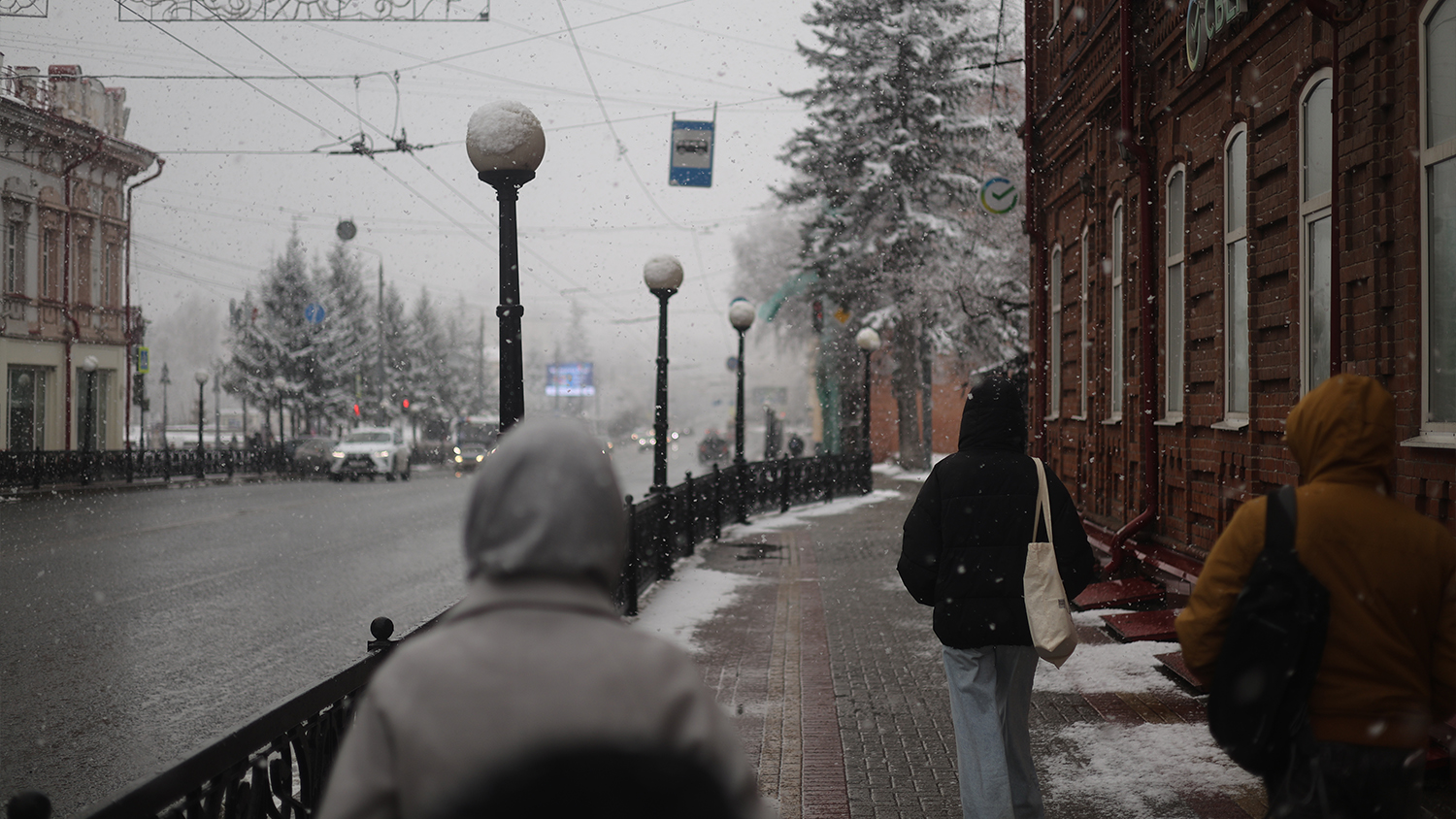
Nothing has been formally prohibited. No explicit ban has been issued. The language used to justify the removal is procedural, technical, and temporary.
And yet the result is definitive: the memorial is no longer there.
This form of intervention operates not through direct negation, but through reconfiguration. Instead of confronting memory, it alters the environment in which memory can exist — shifting the balance between presence and absence, visibility and removal.
In this framework, infrastructure becomes a medium of action.
The Line
At this point, the event can be read in a different register.
If, in the 1930s, vehicles associated with the NKVD were used to transport individuals out of public space and into the system of repression, the present situation suggests a structural analogy rather than a literal repetition.
It is as if the same infrastructural logic has been reactivated — not to remove people, but to remove the material presence of memory itself.
Not through force, but through procedure.
Not through arrest, but through dismantling.
Conclusion
The memorial in central Tomsk is gone.
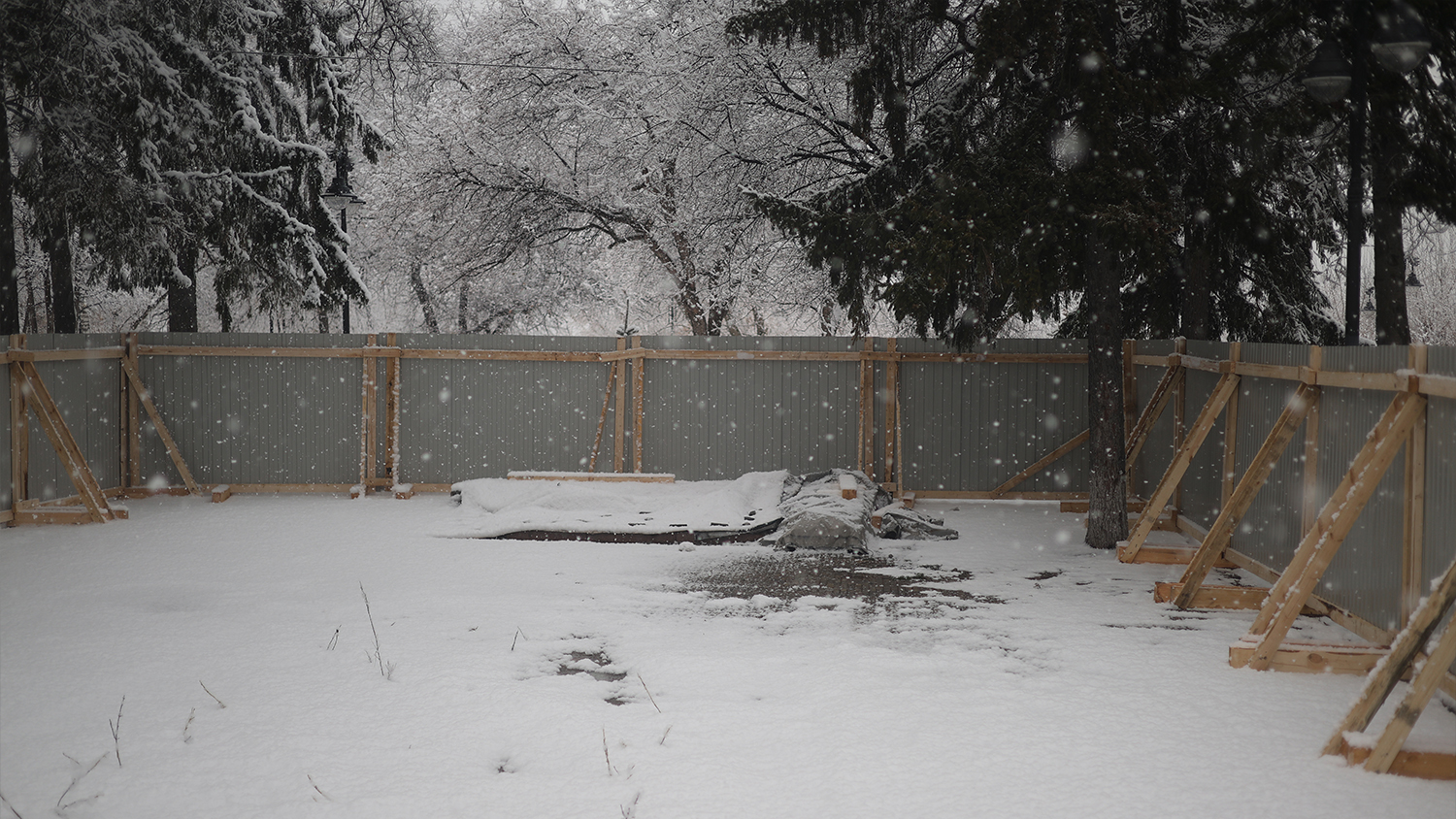
Its removal has been explained as a temporary and necessary measure, grounded in concerns about safety and infrastructure.
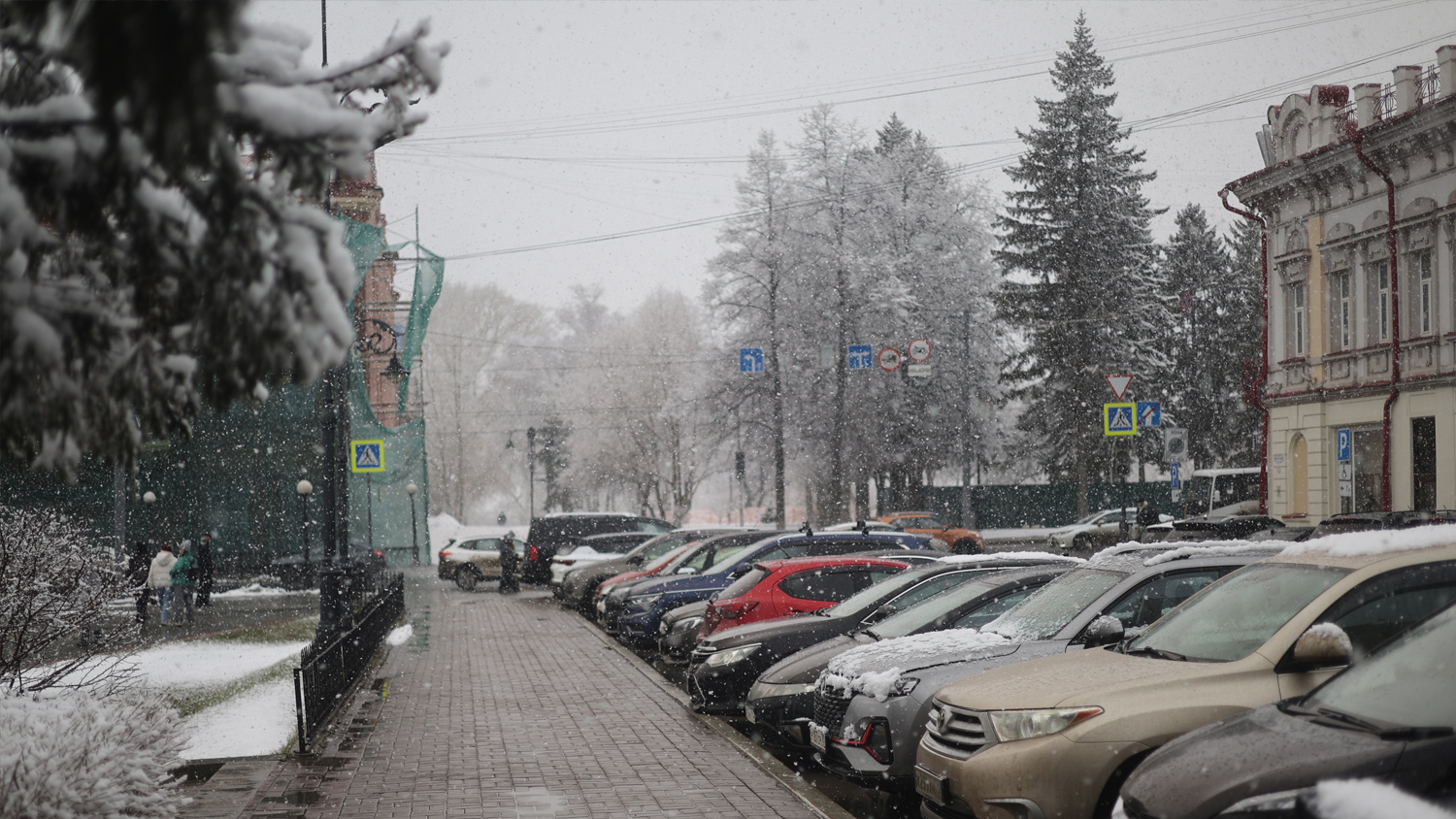
Whether it will return remains uncertain.
What is certain is that a place which, for more than three decades, served as a visible point of public memory no longer exists in the city’s landscape.
The event does not resolve into a single interpretation. It can be read as an administrative decision, a technical precaution, or as part of a broader transformation in how the past is positioned within the present.
The conditions that made it possible — historical, civic, and spatial — have been altered.
But regardless of interpretation, the outcome is the same: a site of memory has been removed — and with it, a form of public presence that cannot be fully restored by documentation alone.
Field Observation

Following the removal of the memorial, I visited the site to document its current condition. Fresh snow had recently fallen, making the absence of the monument particularly visible.
While taking photographs, I was approached by two police officers — a man and a woman — both wearing body cameras.
They began recording and asked what I was doing.
I said I was photographing the city in winter.
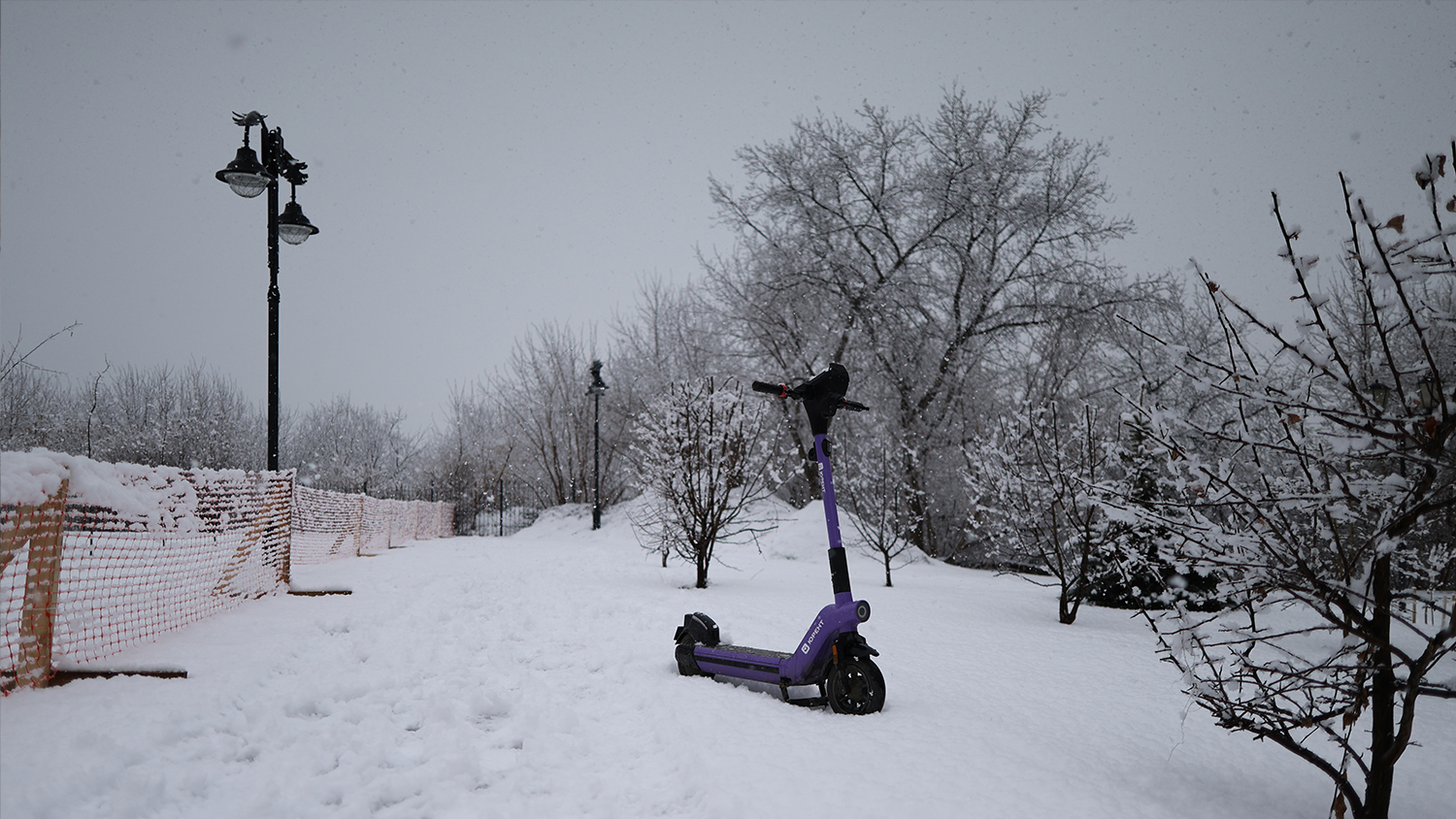
The officers stated that the area was unsafe due to ongoing work and that, for my own safety, I should leave. At the same time, they indicated that they had received instructions to stop anyone photographing the site, verify their identity, and report this information up the chain of command.

After some hesitation, they clarified that they were expected to collect personal data — including name, address, and place of work — from anyone documenting the area. They also mentioned that a similar encounter had taken place earlier that day with a local news photographer — later identified by me as Dmitriy Kandinskiy — resulting in a dispute over the same procedure.
The exchange remained calm. They recorded me; I documented them in return. No detention followed, and I left the site.
What the Incident Reveals

This interaction introduces an additional layer to the situation.
Formally, the site is presented as a location undergoing technical work, temporarily restricted for reasons of safety. Yet the presence of active monitoring directed specifically at those documenting the site suggests a different operational logic.
The act of photographing a recently removed memorial — a standard journalistic and civic practice — becomes itself an object of administrative attention. This does not take the form of prohibition. There is no explicit ban on documentation. Instead, it creates a controlled environment in which observation is tracked, recorded, and reported.
Such a mechanism does not eliminate visibility; it regulates it. In this context, the removal of the memorial is accompanied by a secondary process: the monitoring of those who attempt to register its absence.
Denis Karagodin
Tomsk, West Siberia, Russia
April 19, 2026
Postscript-1
Infrastructure of Responsibility
(April 20, 2026):
Читайте этот фрагмент по-русски
What is presented as a technical necessity is, in fact, a strategy of displacement. The authorities frame the dismantling of the Stone of Sorrow memorial as an infrastructural issue — a matter of safety, slope stability, and adjacent facilities. In doing so, they attempt to transfer the question of memory into the domain of engineering, where responsibility appears abstract, procedural, and impersonal. Infrastructure becomes a shield: neutral in tone, administrative in form, and ostensibly free of human agency.
But infrastructure is not neutral. It is an organized system, built, maintained, and operated by specific institutions and specific people. The garage cited in the official explanation is not simply a structure; it belongs to a continuous institutional field. It has a history, a function, and a chain of responsibility. In 1937–1938, it served as a base for the NKVD’s “black vans.” Today, it operates within the system of the Ministry of Internal Affairs. The form persists, and with it, the organization that sustains it.
By invoking infrastructure as justification, the authorities unintentionally expose the very mechanism they seek to obscure. If infrastructure is the argument, then it must be followed to its limit. And when followed, it does not dissolve into abstraction; it resolves into names, positions, ranks, and institutional affiliations. Every fence, every restricted zone, every administrative unit points not to anonymity, but to specific actors — those who design, authorize, and enforce these interventions.
This creates an inversion. The attempt to hide behind infrastructure produces the opposite effect: infrastructure begins to speak. It reveals not only its material presence, but the network of people who sustain it. The fence erected around the site does not conceal responsibility; it marks it. It indicates that there are those who ordered it, those who installed it, and those who now maintain its perimeter.
In this sense, the question is not whether responsibility exists, but how long it takes for it to become visible. The names are not hidden; they are publicly accessible within institutional structures. What is required is not speculation, but attention. Infrastructure, when examined closely, does not erase memory. It reconstructs the conditions under which memory can be traced back to specific individuals — those who act within it, and through it.
And this is the point at which the logic completes itself.
Those who took part in the removal of this memorial did not erase it; they inscribed themselves into its history. The very system used to conceal responsibility preserves the traces of those who act within it. Names, positions, and affiliations remain — and they accumulate.
Nothing here disappears. It is only a matter of time before these names are made visible, recorded, and placed where they belong — within the historical record they have now entered.
Postscript-2
A Chekist Wink on SMERSH’s Anniversary: The April 19, 2026 Demolition of the Stone of Sorrow
(April 24, 2026):
Author’s Note (Russian original):
Я обратил внимание на то, что снос мемориала жертвам политических репрессий в Томске – 19 апреля – совпал с датой основания СМЕРШ. Возможно, это совпадение. Но, в российской политической аналитике для таких совпадений существует вполне устойчивый термин — «чекистский юморок». Сигнал считан.
The date of the demolition itself introduces an additional layer of possible interpretation.
The removal of the Stone of Sorrow memorial — carried out in a controlled manner, with restricted access and indications of coordinated oversight — took place on April 19, coinciding with the anniversary of the establishment of SMERSH (April 19, 1943), a Soviet military counterintelligence organization within the NKVD system (an acronym for “Death to Spies”), tasked with identifying and suppressing suspected enemies and “spies” within the armed forces. Historically, SMERSH has been associated with harsh internal enforcement practices and remains a deeply controversial institution, often viewed ambivalently or negatively in public memory.
While there is no direct evidence that the timing was deliberately chosen as a symbolic reference, the alignment is notable in light of a long-standing Soviet practice of associating actions with historically charged dates — a pattern that continues to resonate within both Soviet-era and their institutional successors operating in the Russian Federation today.
In contemporary Russia, such temporal alignments are most often interpreted — particularly by those familiar with internal cultural codes — as part of an informal symbolic language associated specifically with the Federal Security Service (FSB), the direct institutional successor to the Soviet NKVD. Within Russian analytical and political discourse, this phenomenon is occasionally described as “chekist humor” (чекистский юморок): a subtle, internally legible mode of expression through which the institutional actions of the FSB may acquire additional layers of meaning beyond their formal purpose.
In this context, the coincidence may be read, at least at the level of interpretation — as part of a symbolic repertoire that frames acts of removal in terms of protection, threat, and the identification of internal or external enemies.
Postscript-3
A Black Mark for Those Who Documented the Removal
(May 7, 2026):
On May 7, 2026, the local Tomsk news portal vtomske.ru reported that it had been denied accreditation for the May 9 Victory Day parade. According to the outlet, this was the first time the Tomsk city administration had refused to issue press badges to its journalists for the event, while other local media received accreditation.
The explanation was simple and revealing: the list of approved journalists had been coordinated with the Tomsk branch of Russia’s Federal Security Service (FSB), and vtomske.ru was not on that list.
I regard this as a direct consequence of the portal’s role in covering the dismantling of the Stone of Sorrow memorial.
The portal was among the first local media outlets to report independently on what had happened that night. Its photographer, Dmitry Kandinsky, arrived at the site on Sunday, after the memorial had already been dismantled. He was able to photograph the immediate aftermath of the removal: the empty memorial site and workers enclosing the area with fencing.
While Kandinsky was working at the site and taking photographs, police officers approached him and recorded his personal information. A few minutes later, I arrived and also began photographing the scene. The police stopped me as well and recorded my information from my documents. They asked whether their own photographs would appear on the internet — I had managed to photograph them — and complained that they had already had a conflict over the same issue with a photojournalist from vtomske.ru. They did not name Kandinsky directly, but they mentioned vtomske.ru, and I later understood that they were referring to him.
My identification was also recorded — as I was told, for transfer to higher authorities, which, in this context, I understood to mean the FSB.
The importance of vtomske.ru’s reporting was not limited to Kandinsky’s photographs. In its report on the demolition, vtomske.ru cited an eyewitness account describing how the memorial had been taken down with construction equipment — including small excavators — and how parts of it were broken apart with a bucket. According to that account, people who identified themselves as FSB officers prohibited filming. This was an important piece of testimony and, to my knowledge, no other media outlet reported this detail.
Now we see the next step. The media outlet that helped make the removal visible has been excluded from access to a major public state event through a list reportedly coordinated with the FSB.
This is not simply an administrative refusal. In the context of what happened at the Stone of Sorrow, I read it as a direct black mark placed on those who documented the removal.
Support
This work is produced as part of Denis Karagodin’s independent research and writing.
Its continuation is sustained over time through personal effort and, in part, through public support.
Further information: karagodin.com/donate
Discover more from Denis Karagodin
Subscribe to get the latest posts sent to your email.