
The Black Vans Return

When infrastructure erases memory: in Tomsk, what bore direct witness to Soviet political repression is being removed using the very infrastructure that once sustained it.

In the center of Tomsk, a Siberian city with a long and layered history, a memorial to the victims of Soviet political repression has quietly disappeared. Officially, it was removed due to safety concerns. Its absence, however, raises a different question: what happens when the infrastructure once used to carry out repression becomes the justification for removing memory itself?

For decades, the site stood as a visible point of public memory. Today, it stands empty.

Continue reading The Black Vans Return

KARAGODIN as Code

On Implementing a System Through GitHub

What if an investigation could be structured and deployed like code? I argue that the KARAGODIN® Investigation and STEPINQUEST® function as executable systems — operating within institutional, archival, and symbolic environments — and that publishing them on GitHub is not a metaphor, but a precise act of implementation.

Continue reading KARAGODIN as Code

Node Above the Archive (Project Statement)

An Infrastructural Counter-Monument

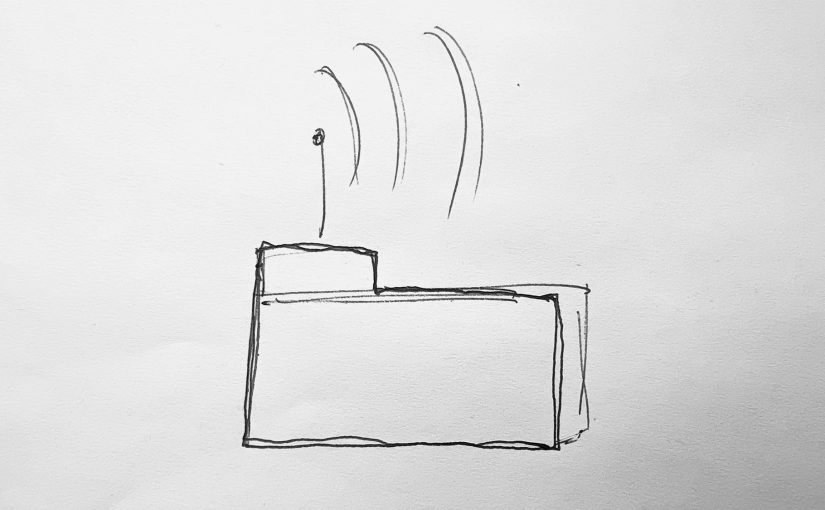
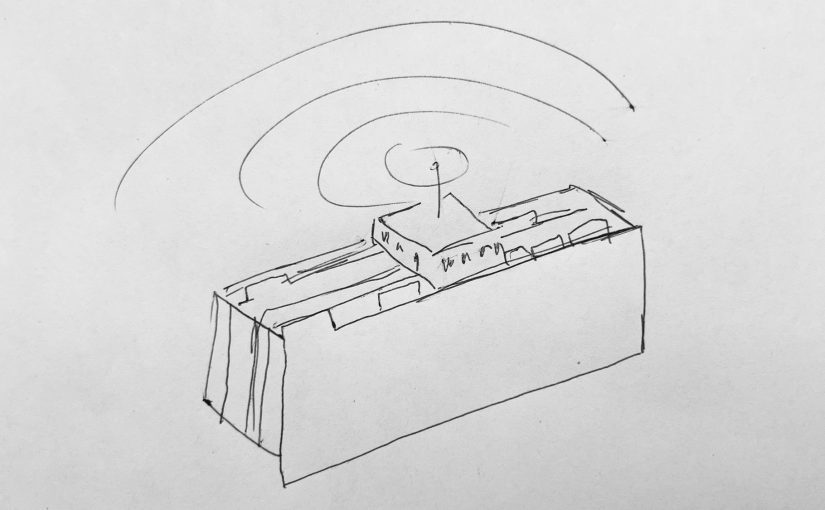
Node Above the Archive is a site-specific infrastructural intervention in which a functioning public mesh node is positioned above the Tomsk FSB archive in Western Siberia, Russia, turning signal, address, and network presence into a memorial form that cannot be removed or erased.

Continue reading Node Above the Archive (Project Statement)

A Position Is Established

Denis Karagodin’s STEPINQUEST® and the emergence of infrastructural investigation in closed systems

A mesh communication node of the KARAGODIN® Investigation (KARAODIN.ORG KGNg) has been deployed in direct spatial alignment with the regional FSB building in Tomsk, establishing a continuous presence at the site of a closed state archive. The investigation has thereby introduced a new infrastructural and cultural intervention at that location. Nothing has been entered, nothing has been accessed, nothing has been opened — and yet the conditions have changed.

This text examines the logic of that intervention. It traces a shift from seeking access to establishing position, and outlines a method in which investigation proceeds not through permission, but through infrastructure, redefining how memory, authority, and action operate within closed systems.

Download (PDF)

Continue reading A Position Is Established